Where England Gradually Becomes Quieter
Moss Ghyll // Contemporary Design in an Extraordinary Landscape
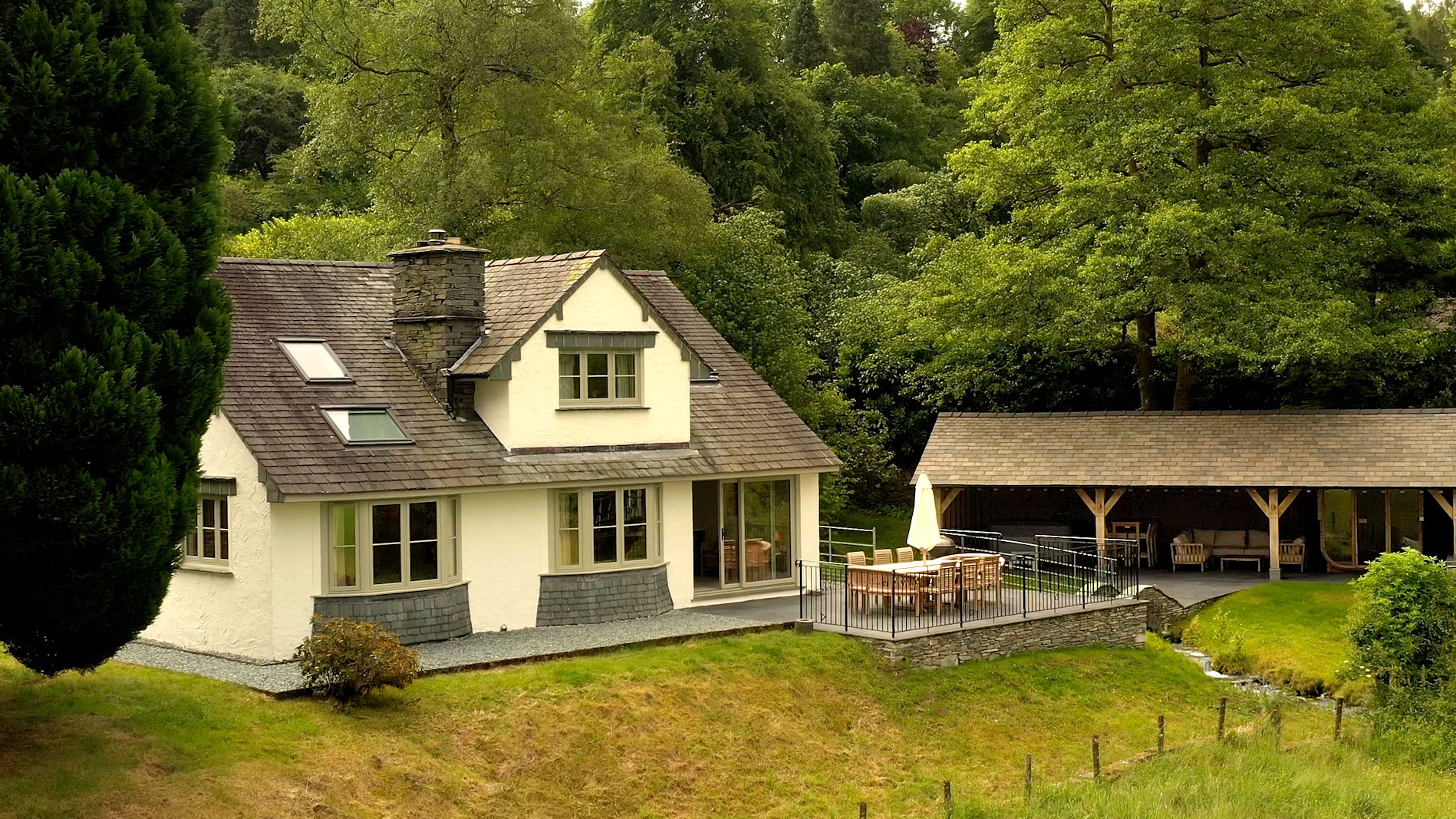
England gradually becomes quieter. Not just quieter in sound, but in pace. Hours of motorway give way to winding country roads, villages become smaller, and dry stone walls begin to replace crash barriers. The final miles follow the shoreline of Lake Windermere, where the landscape begins to open out and the Langdale Pikes emerge beyond the water. By the time we turned into the driveway at Moss Ghyll, the outside world already felt a little further away.
We arrived just as the morning light reached the house. From the outside, Moss Ghyll feels entirely at home in its surroundings. Slate roofs, rendered walls and mature trees root it quietly within the landscape. It is handsome, familiar and understated. There is little to suggest that beyond the front door lies a home that has been so thoughtfully reimagined.
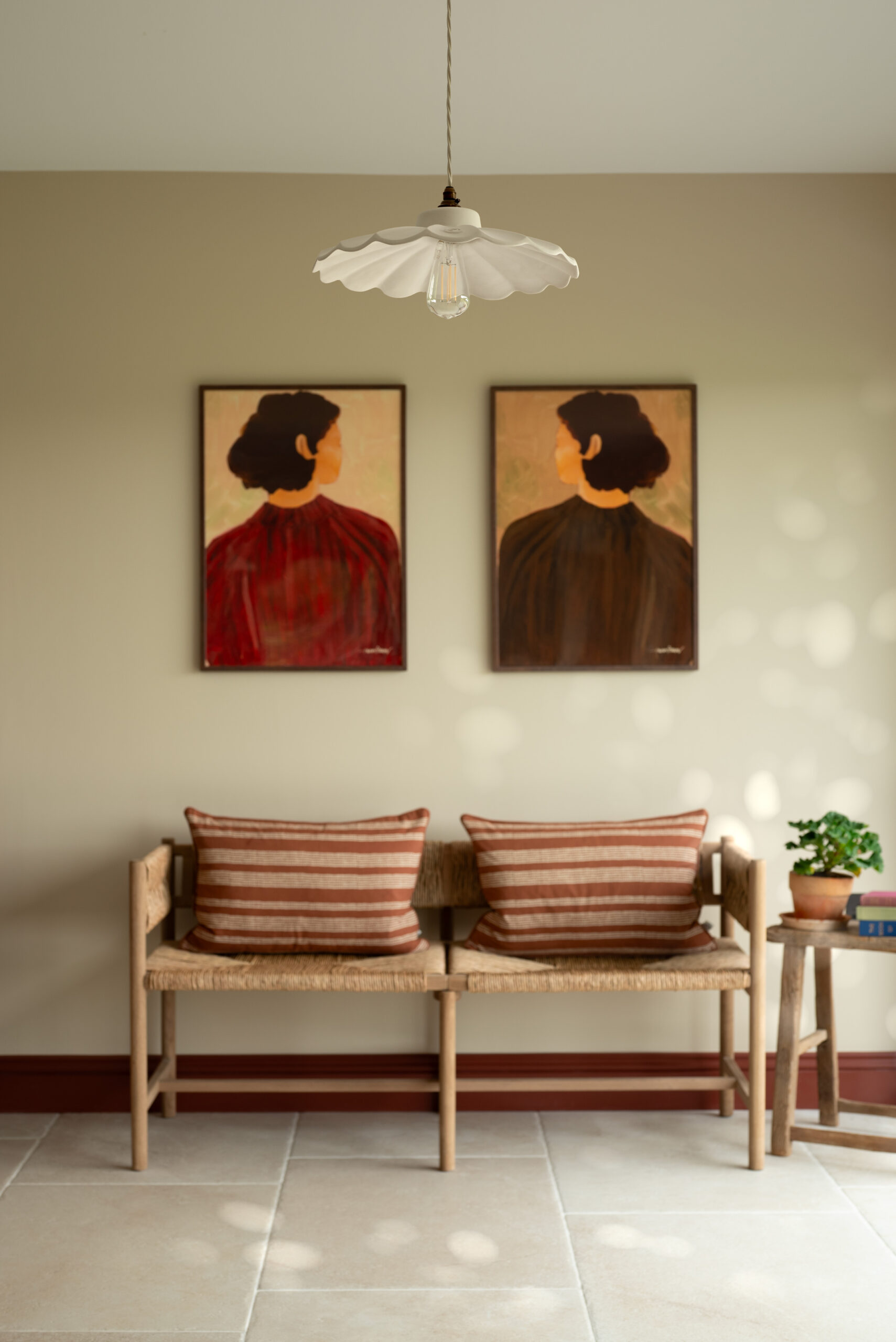
Stepping inside is a moment of surprise.
A modest entrance hall gently compresses before opening into an expansive living space, where the kitchen, dining room and lounge flow effortlessly together. Large windows frame gardens, trees and distant fells, while natural materials soften the contemporary architecture. It is immediately clear that every decision has been made with great care.
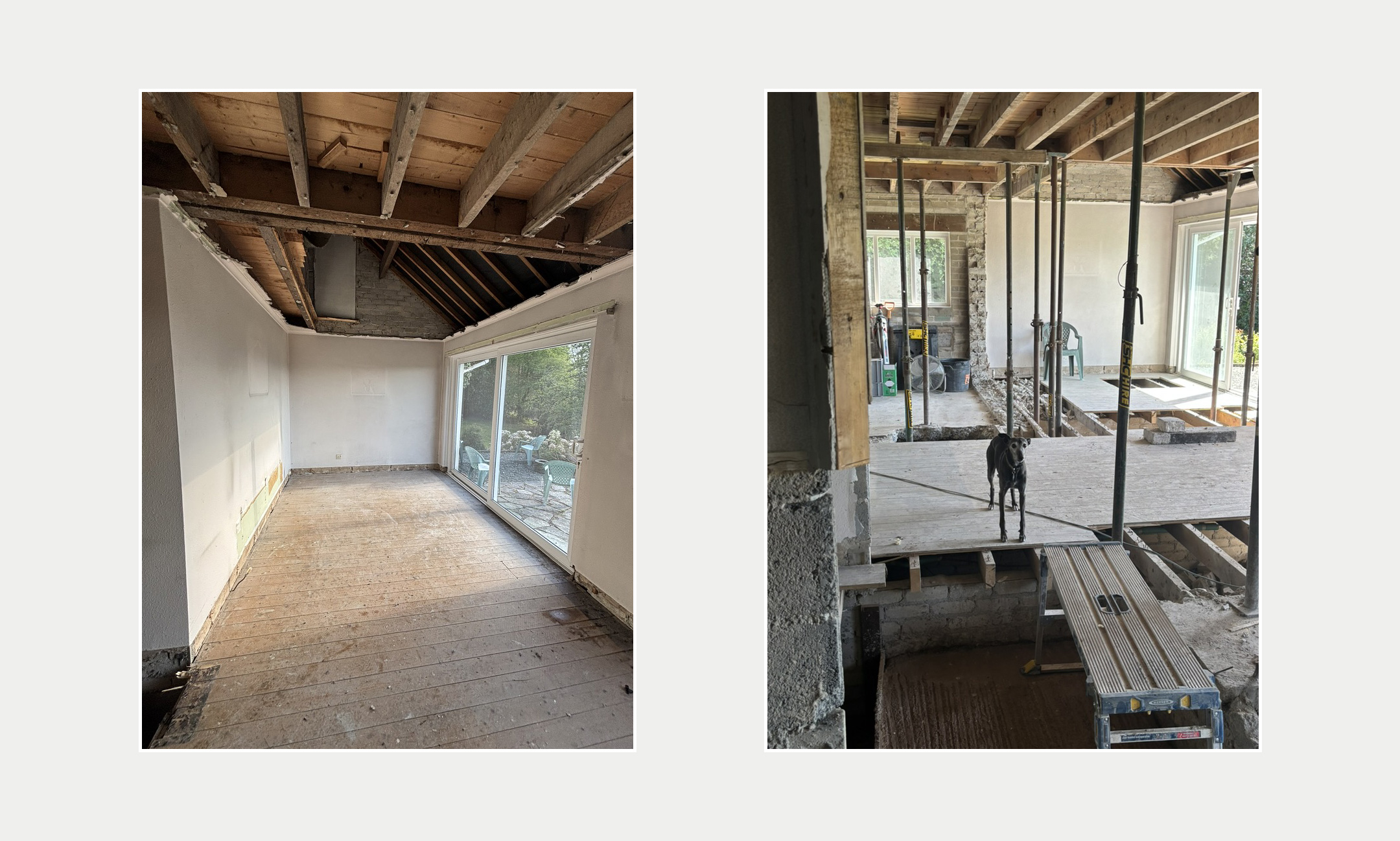
Yet this story began long before the furniture arrived.
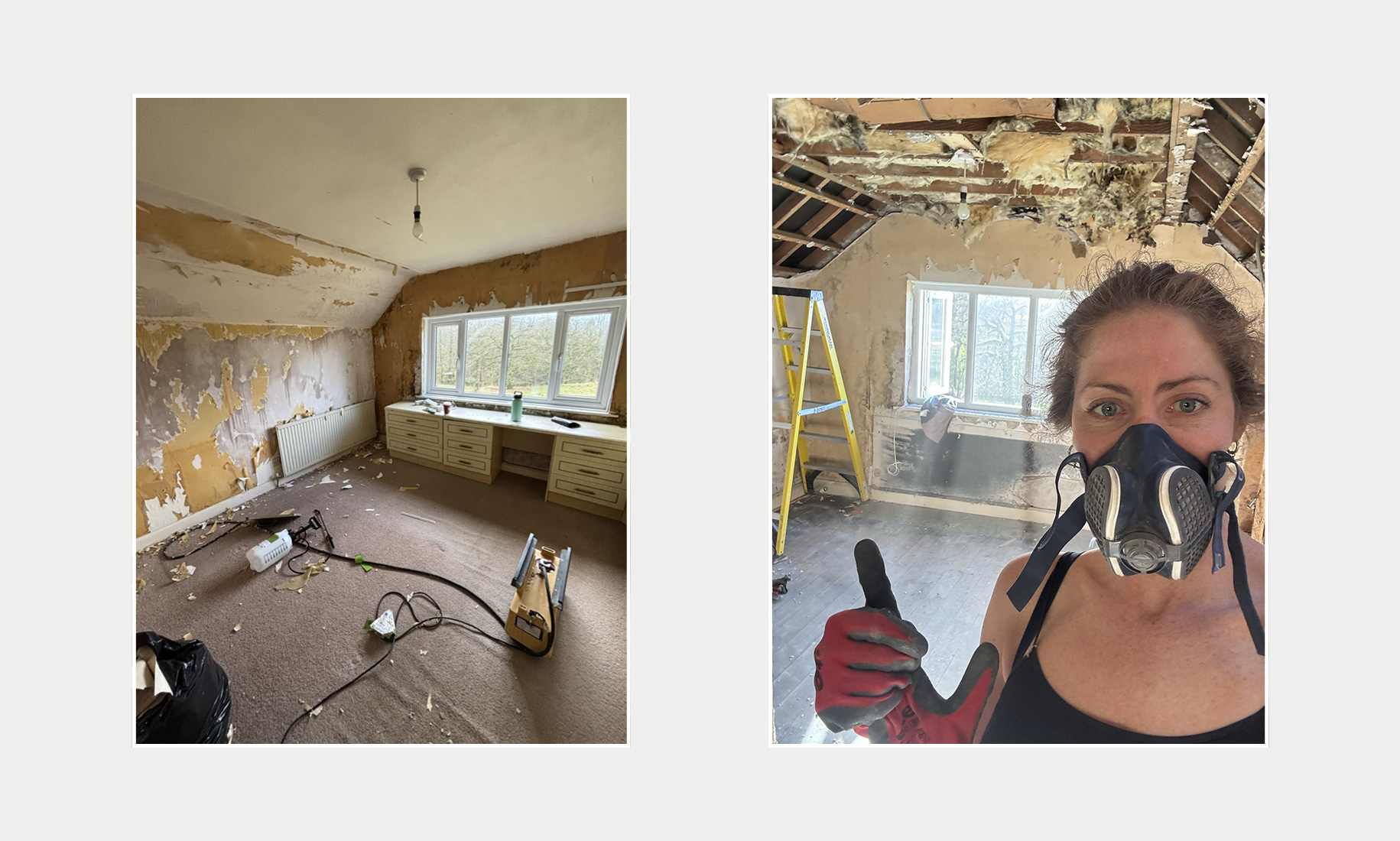
Moss Ghyll has belonged to Freya’s family for generations, making this renovation deeply personal. During our visit she shared photographs documenting the transformation; rooms stripped back to their structure, ceilings opened, floors removed and walls reduced to little more than timber and stone. Among them was a photograph of Freya herself, respirator on, standing in the middle of the dust with a smile and a thumbs-up. It said everything. This wasn’t simply a renovation overseen from afar. It was a labour of patience, determination and genuine affection for a house that had always been part of her family’s story.
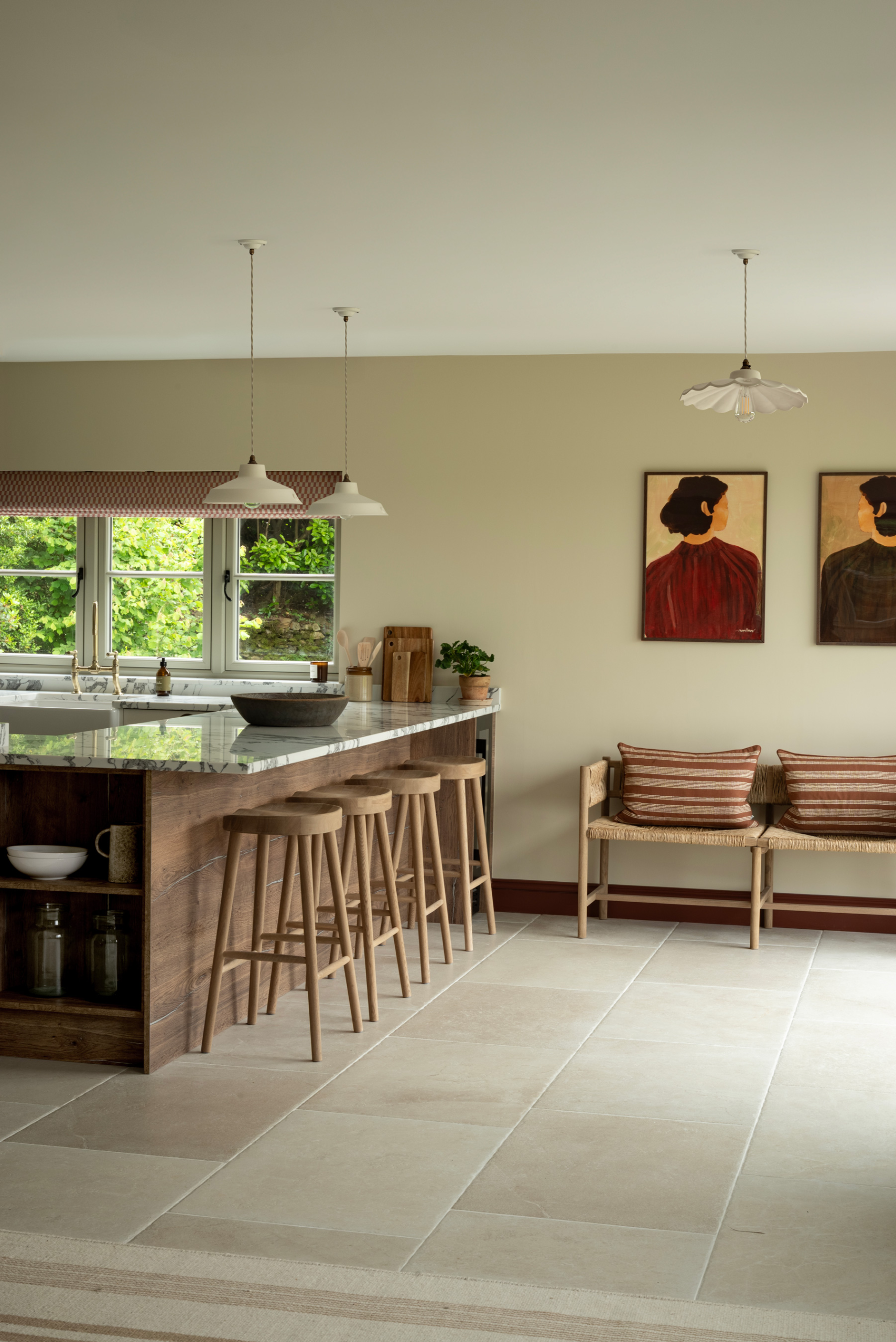
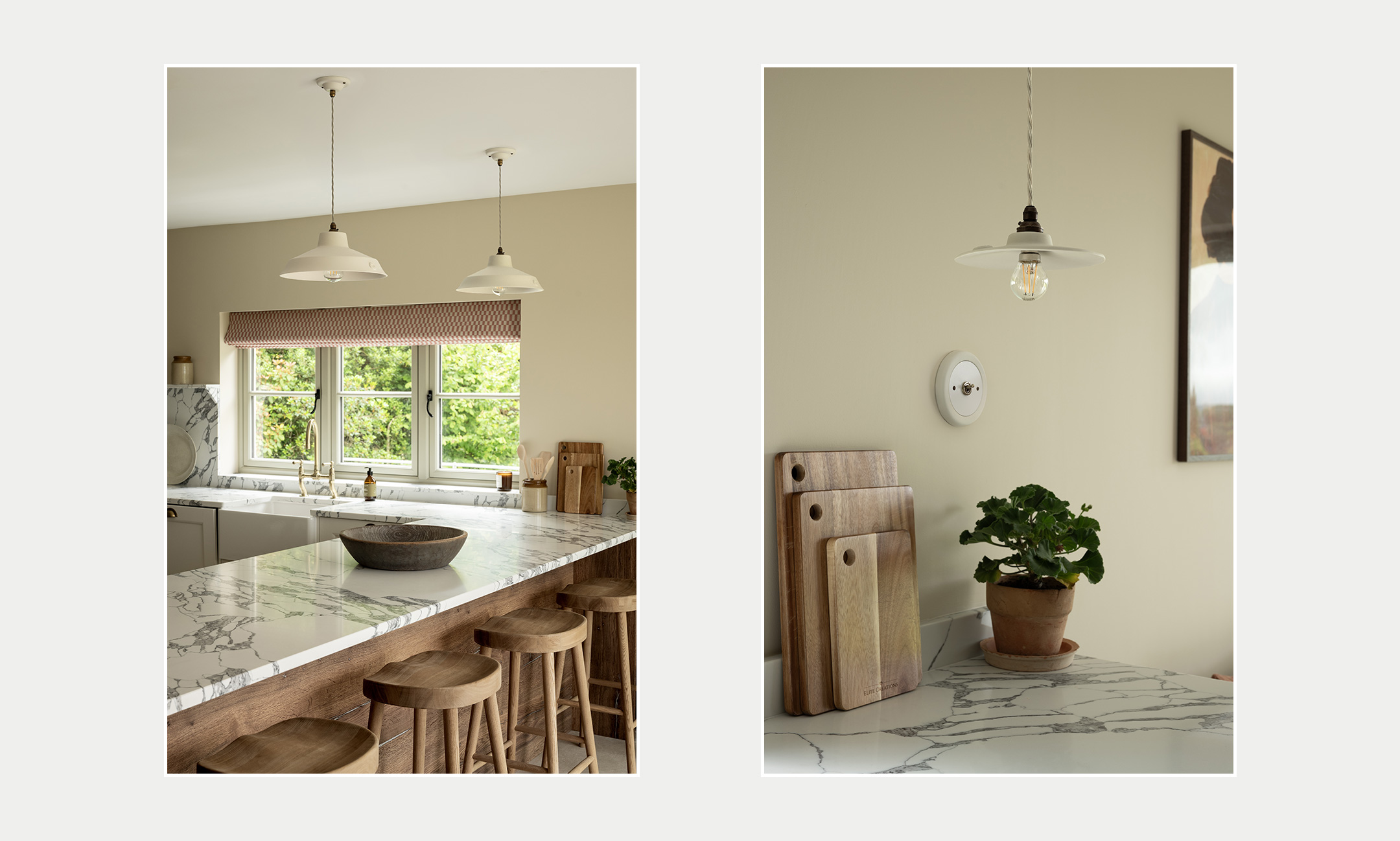
As we began photographing the kitchen, the morning sun drifted softly across the marble worktops and oak cabinetry. Above the island, two Heathcliff pendants quietly anchored the room. Inspired by traditional workshop lighting but reinterpreted in handcrafted porcelain, they bring presence without weight, their familiar silhouettes softening the generous proportions of the space.
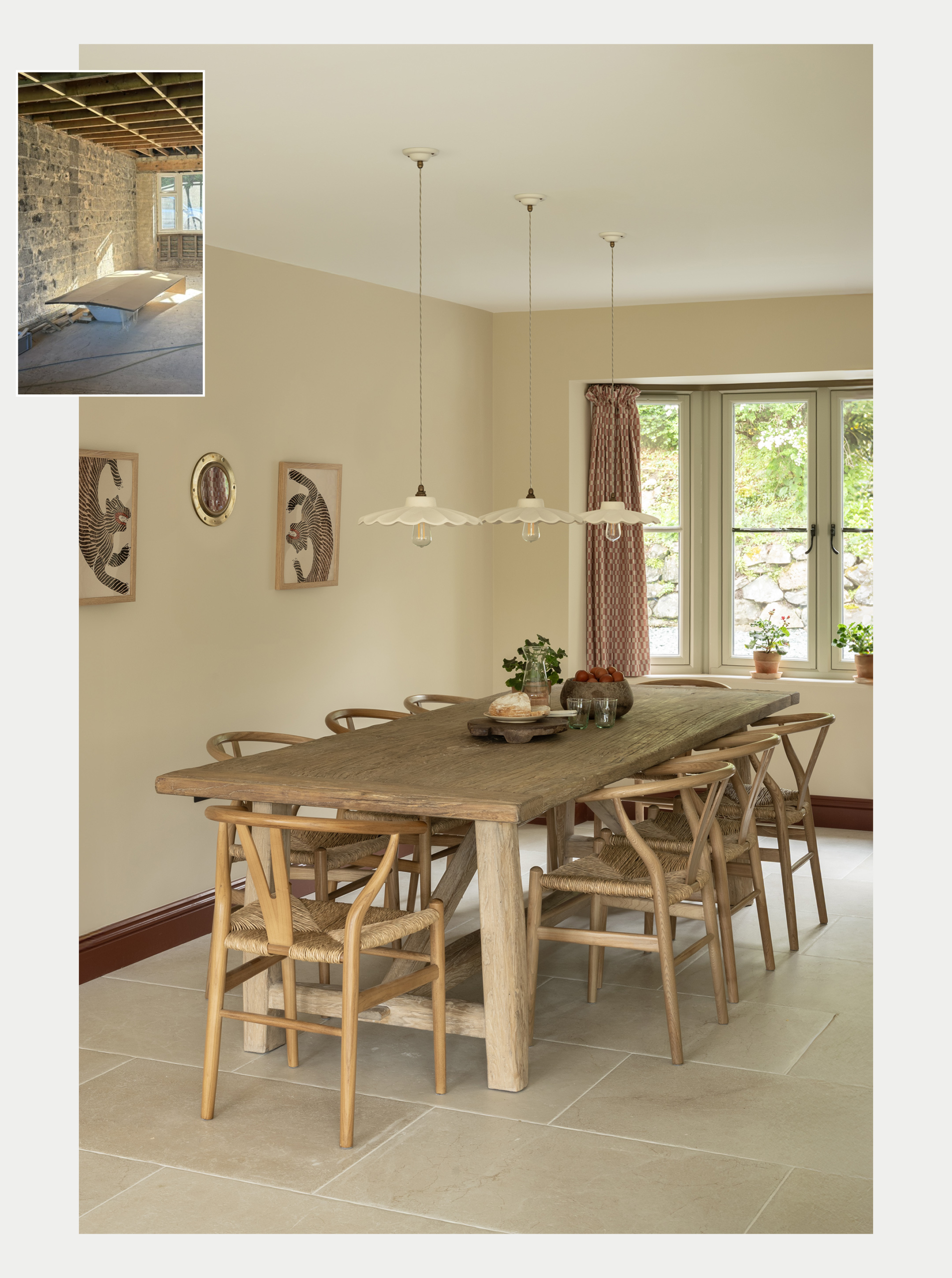
The dining space carries that conversation forward. Three Grand Giselle pendants float effortlessly above a beautifully weathered oak table, their sculptural porcelain shades introducing rhythm without ever interrupting the openness of the room. Looking beyond them, the eye is immediately drawn through the windows towards the gardens outside. It becomes clear that the interiors have not been designed to compete with the landscape, but to frame it.
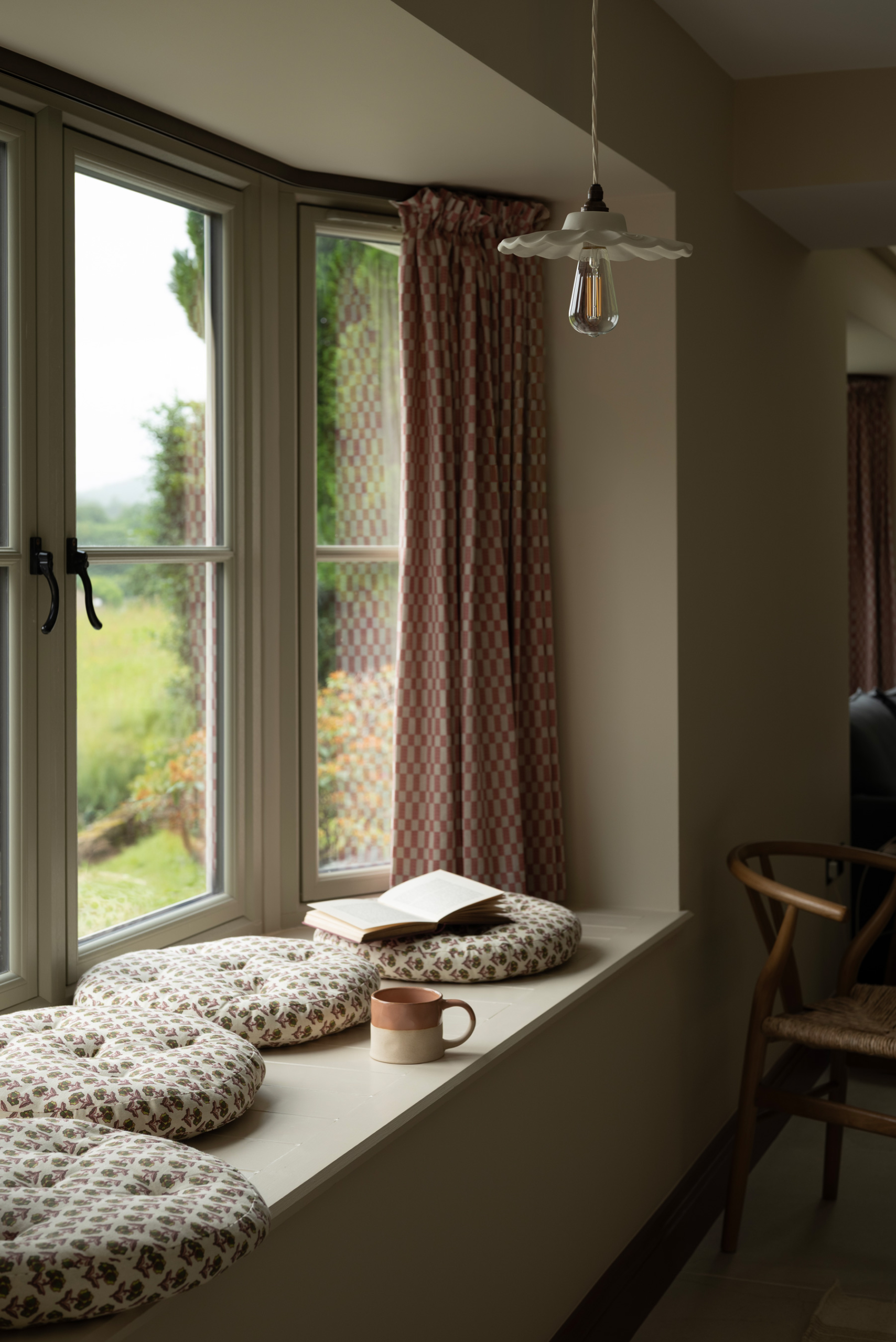
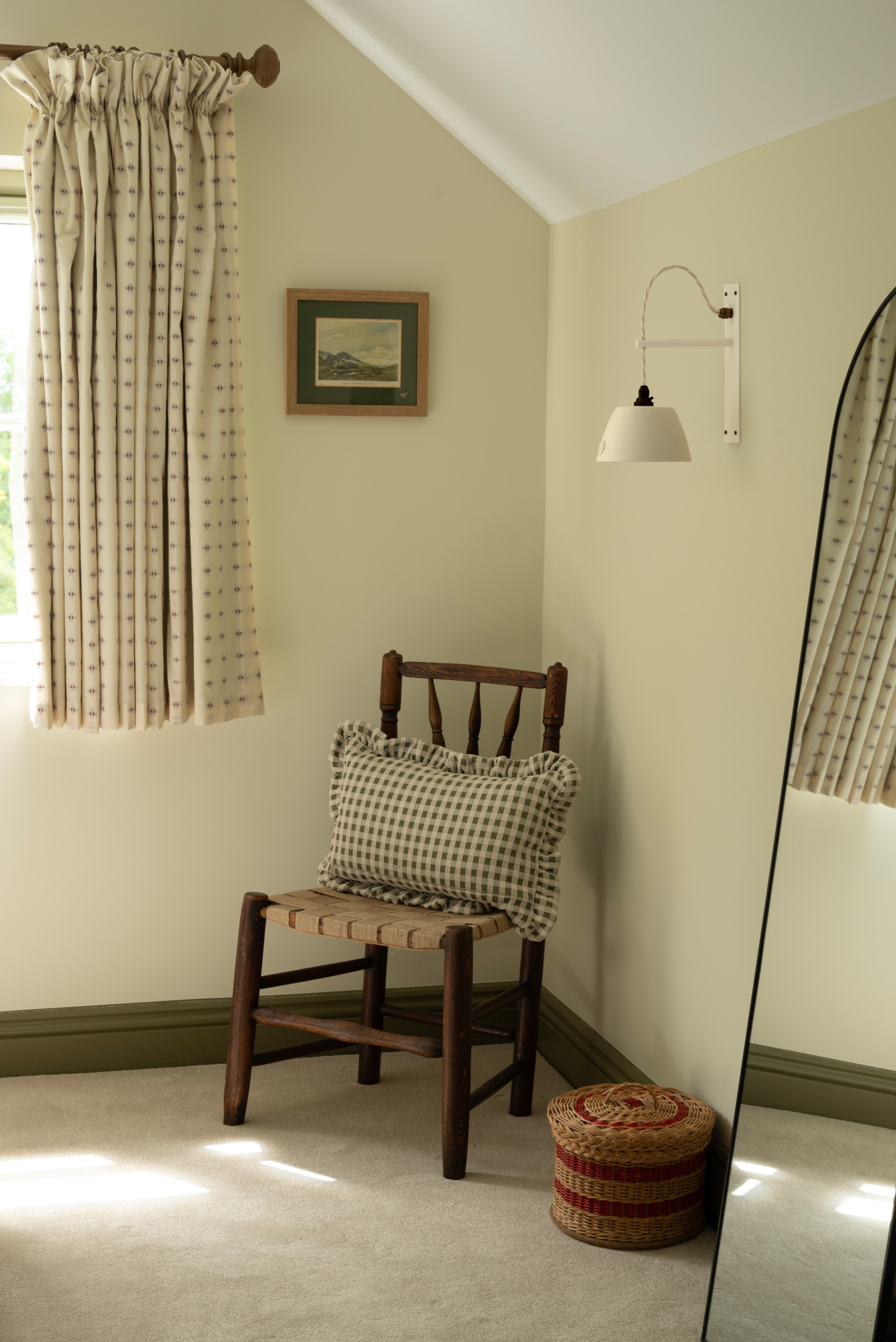
A window seat prepared for an afternoon of reading. A well-worn chair positioned beneath a softly glowing wall light. Vintage Beatrix Potter books resting on an old timber table, quietly acknowledging the author’s enduring connection to the Lake District. Throughout the house, each room carried its own subtle Plum & Ashby fragrance, adding another layer to an experience that extended far beyond what could be photographed.
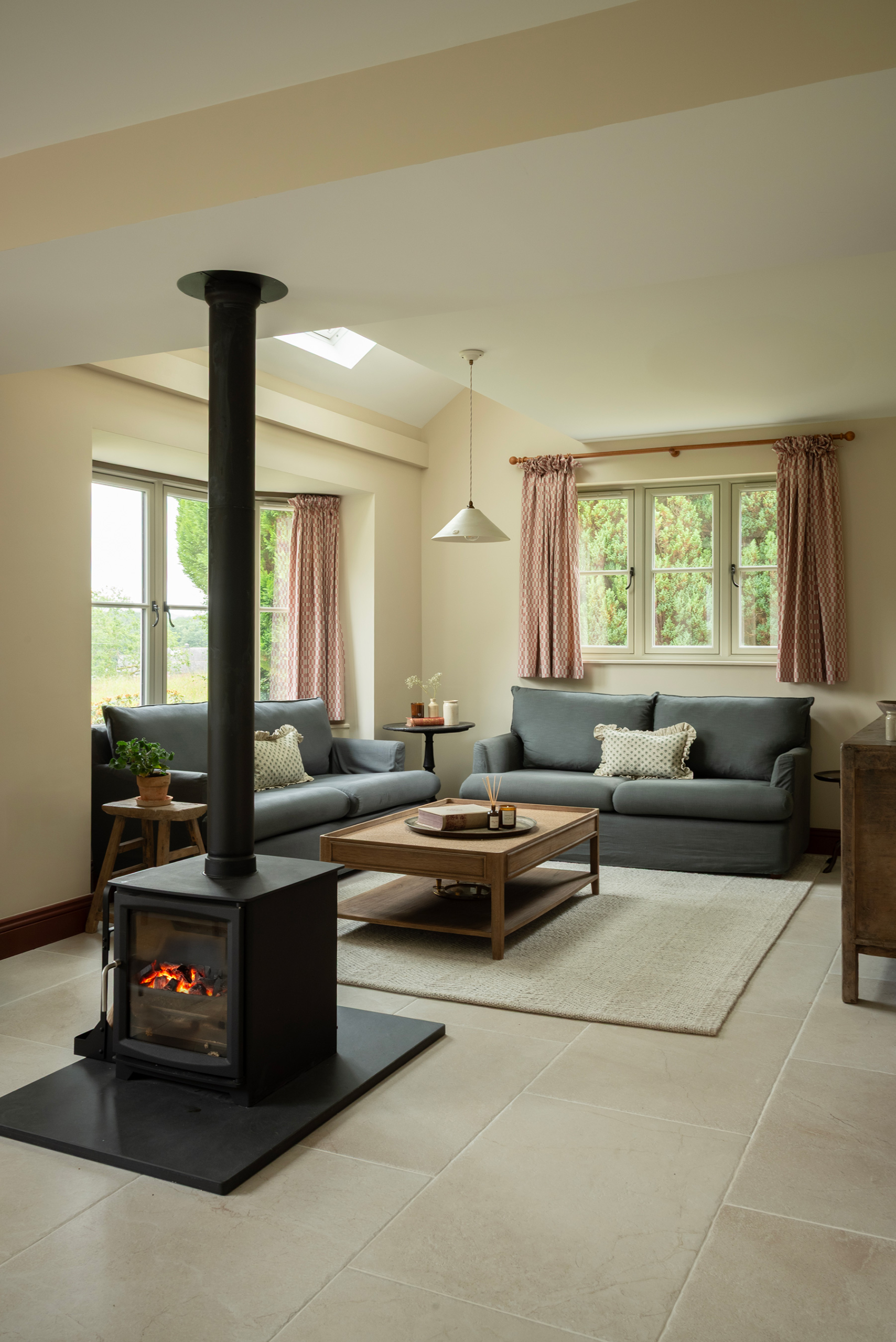
By late afternoon the quality of light had begun to change.
The views that had filled every window throughout the day gradually softened as clouds rolled across the fells. Around the wood-burning stove, a Large Keats pendant created a gentle pool of light above the seating area, while carefully placed wall lights quietly illuminated favourite corners without ever demanding attention. It was a reminder that good lighting is rarely the focal point of a room. Instead, it shapes how the room is experienced.
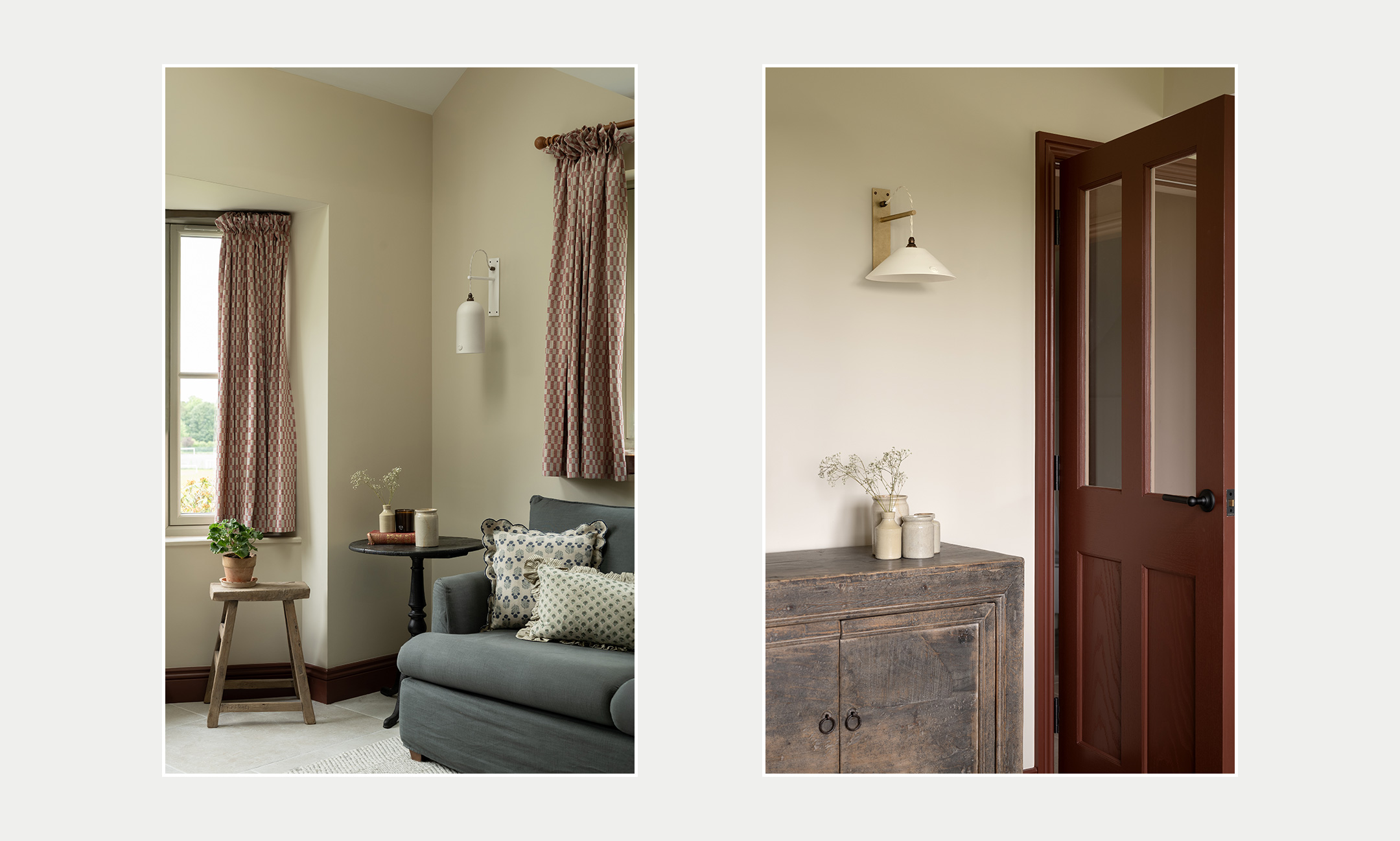
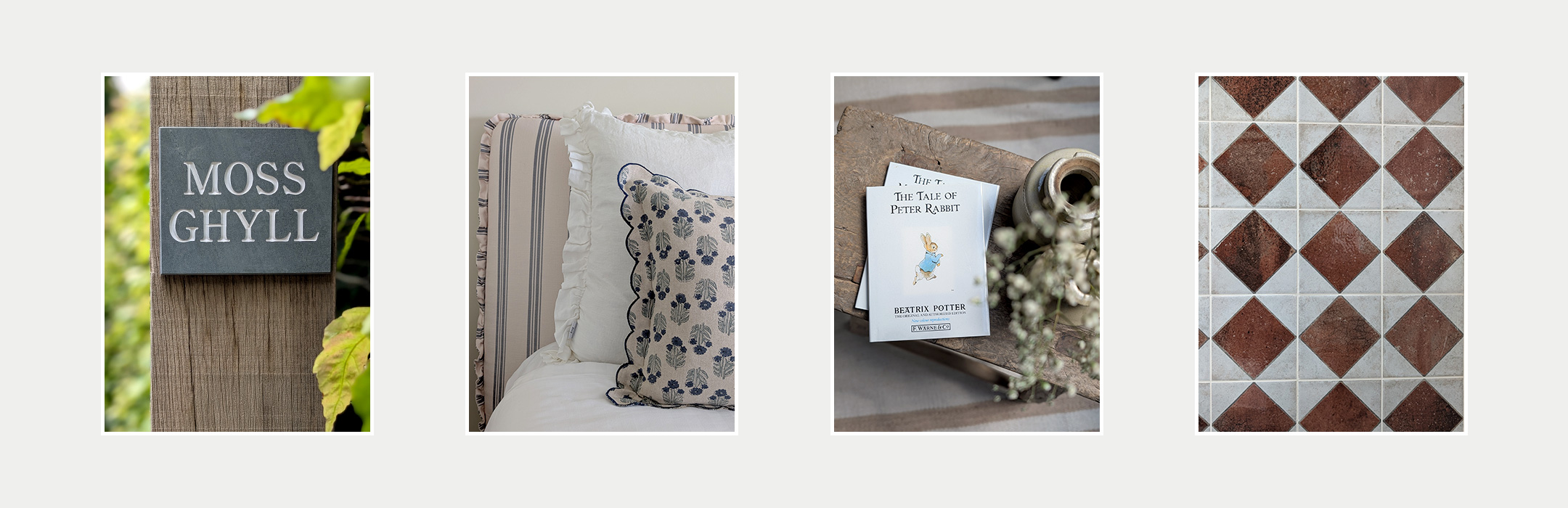
There is a generosity to the way Moss Ghyll has been furnished. Furniture has space to breathe. Textiles soften the architecture without overwhelming it. Brass, porcelain, timber and stone are repeated gently from room to room until the whole house begins to feel entirely cohesive.
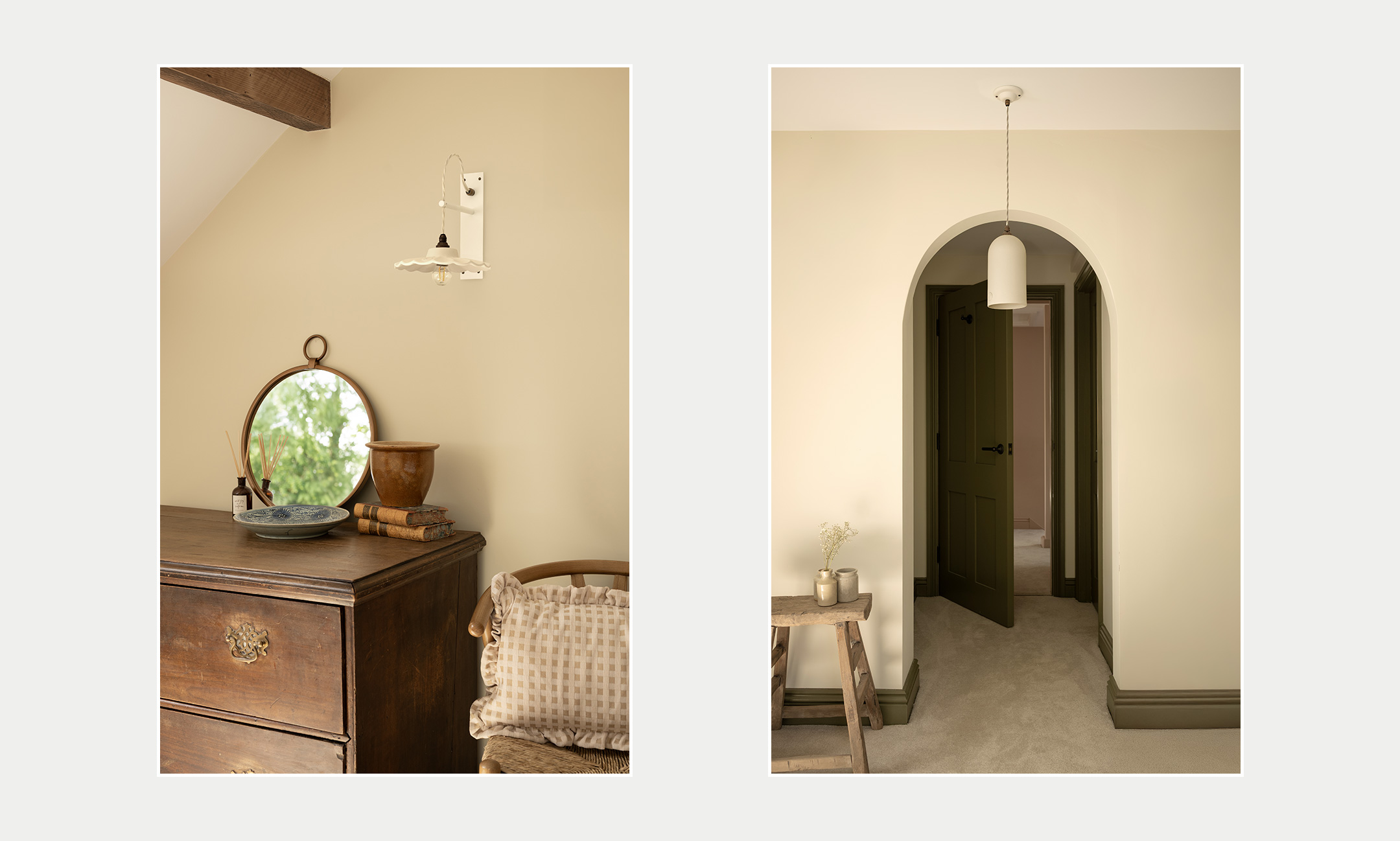
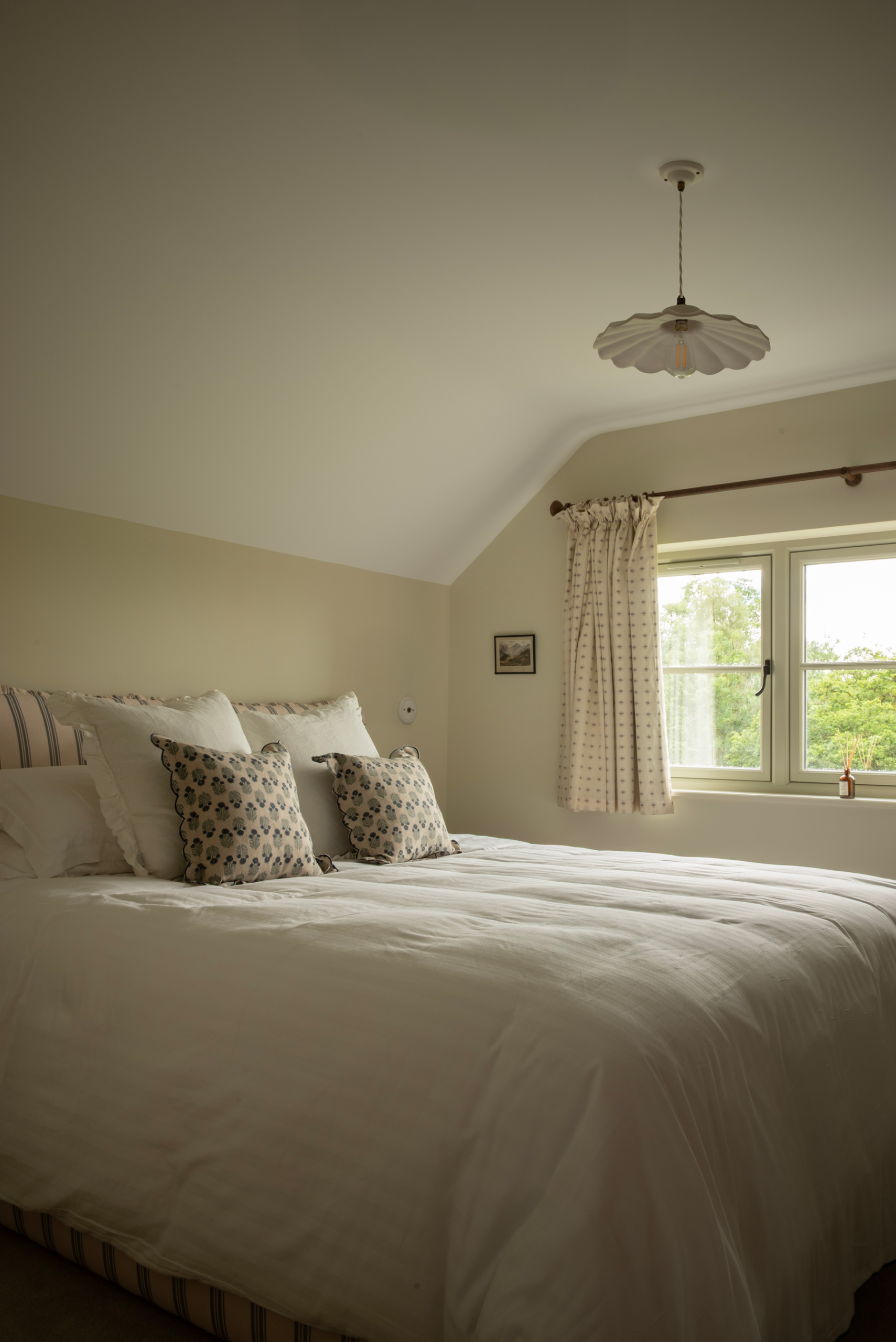
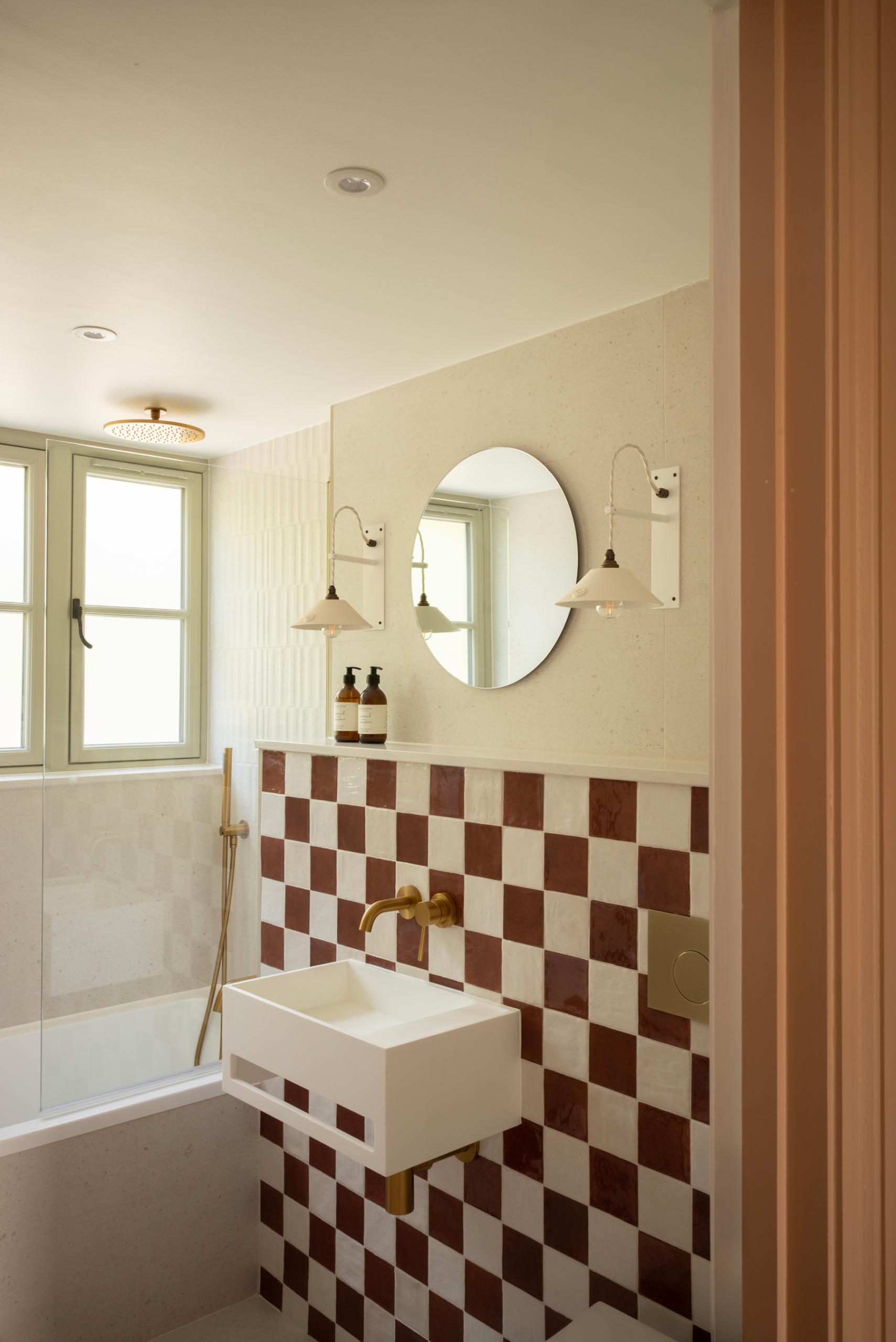
Upstairs, the same thoughtful restraint continues. A Grand Giselle introduces softness to the principal bedroom beneath its vaulted ceiling, while elsewhere handcrafted wall lights respond naturally to each room’s architecture and scale. Some echo the gentle curve of an arched doorway, others provide quiet reading light beside a favourite chair or mirror. Even within the bathrooms, handcrafted porcelain sits comfortably alongside bold checkerboard tiles and warm brass fittings, proving that practical spaces deserve the same careful consideration as every other room.
Nothing had been chosen because it was fashionable. Nothing felt temporary. Every object, every material and every fitting appeared to have earned its place through careful thought rather than decoration alone. The lighting became part of that conversation, responding to the architecture, the landscape and the way the house is lived in, rather than simply illuminating it.
As we packed away the cameras, shafts of evening sunlight broke through the clouds across Windermere. The mountains that had accompanied us throughout the day slowly disappeared into layers of shadow, while the warmth inside Moss Ghyll gently took over.
Driving away, England gradually became busier again.
But Moss Ghyll stayed with us.
Not simply because of its remarkable setting, or its beautifully considered interiors, but because it is a house that feels genuinely loved. A home where family history, contemporary design and craftsmanship have come together with remarkable sensitivity, creating somewhere that feels quietly timeless without ever standing still.
To experience this wonderful holiday home for yourself, visit Laik.co.uk

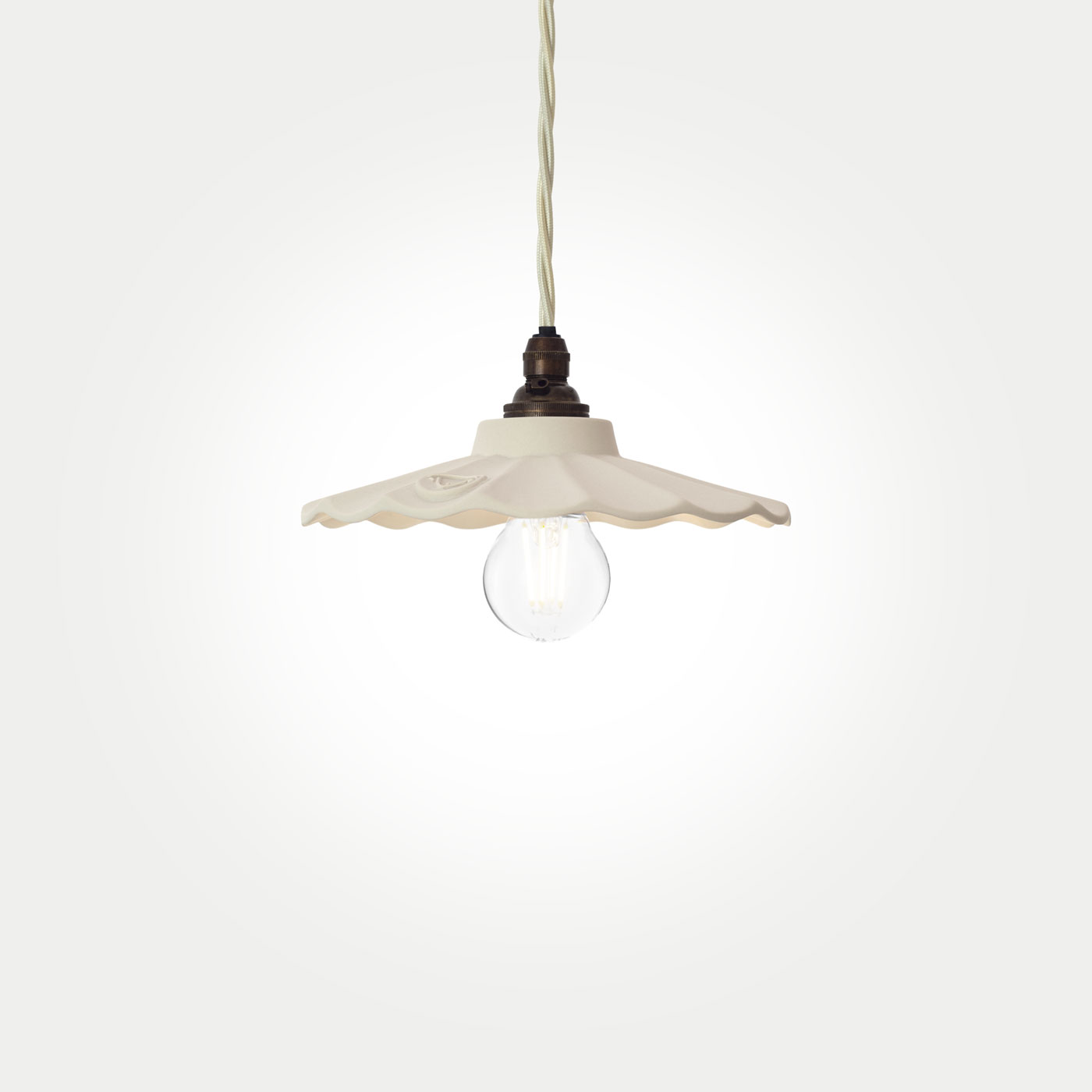
The Petite Giselle
£94
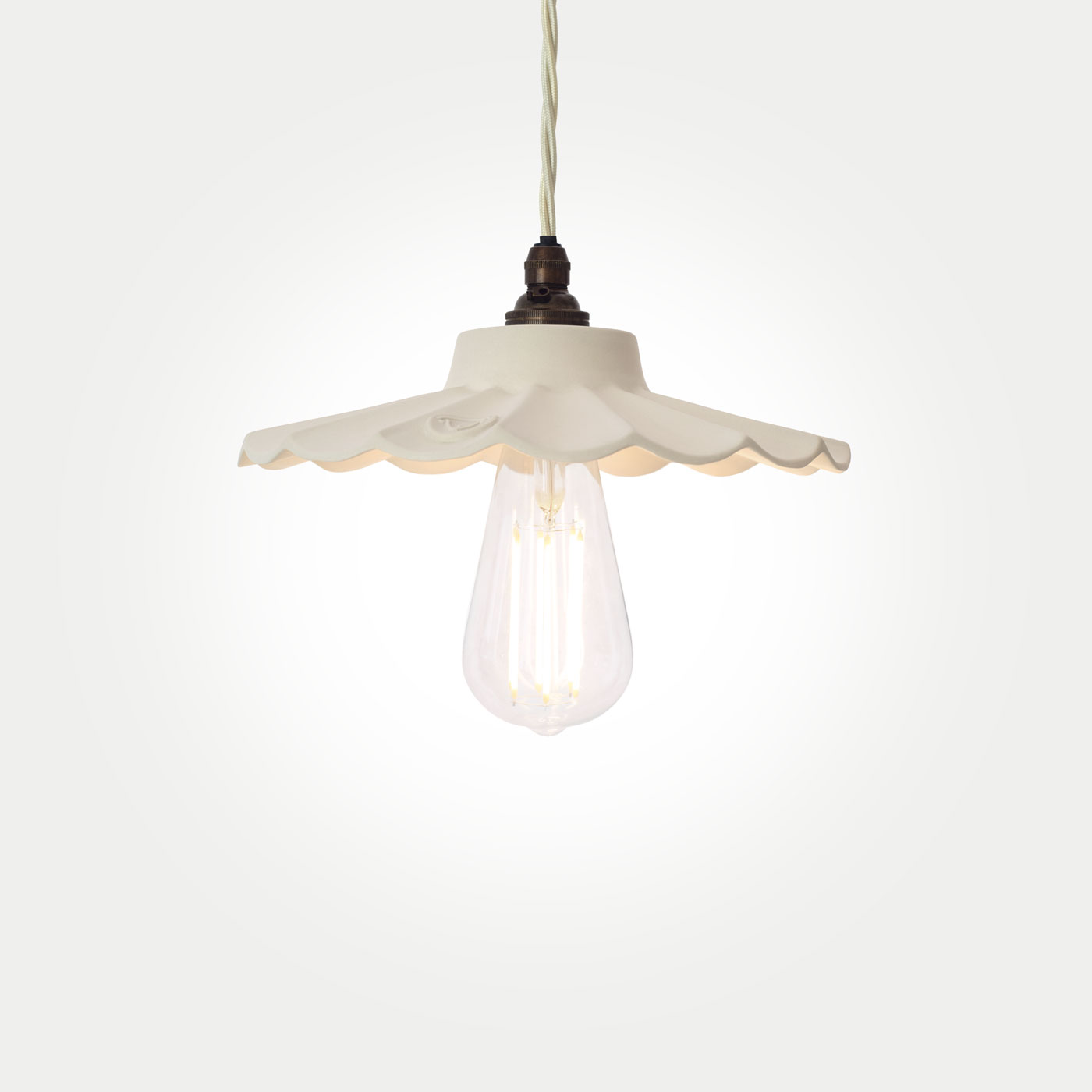
The Giselle
£128

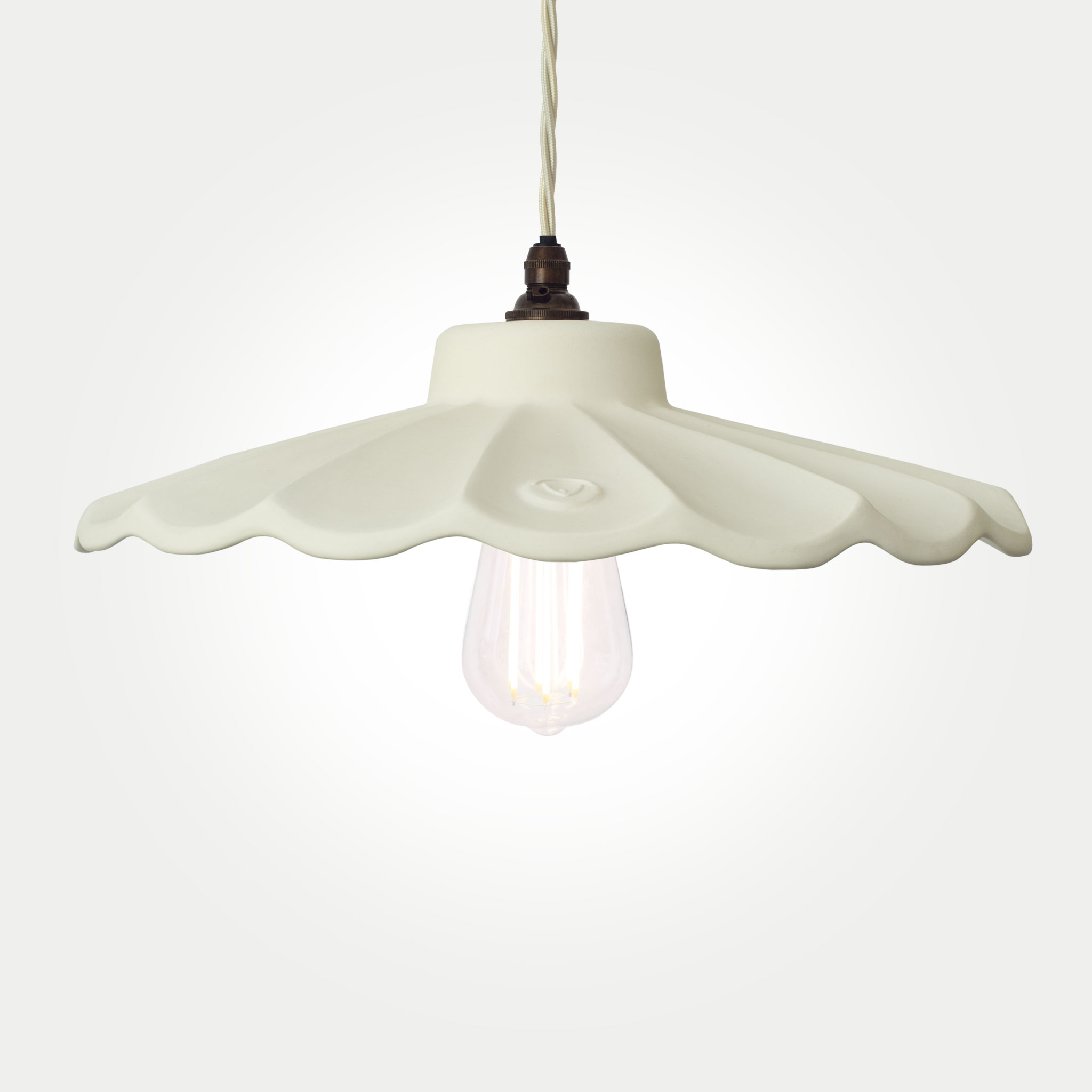
The Grand Giselle
£313
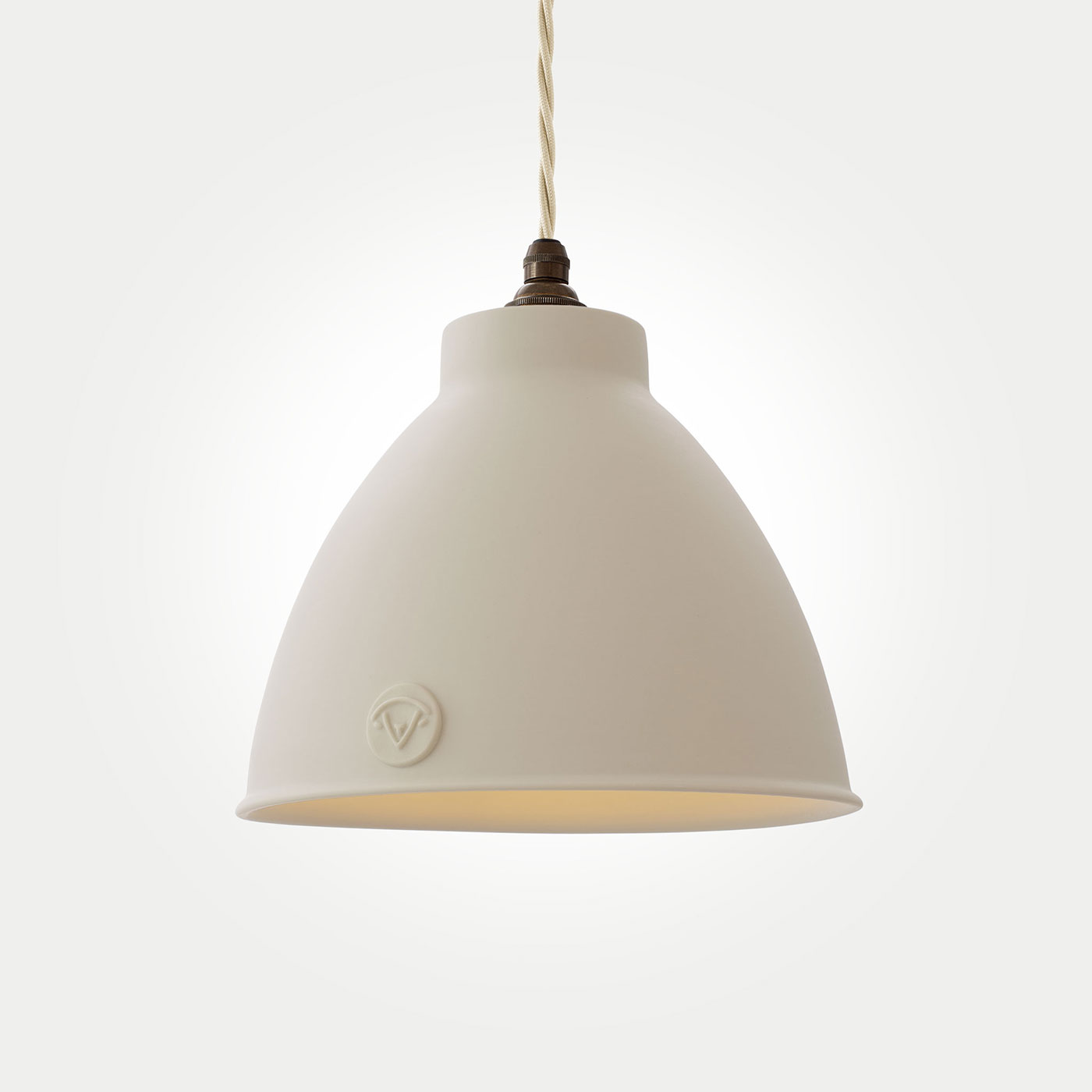
The Ophelia
£149
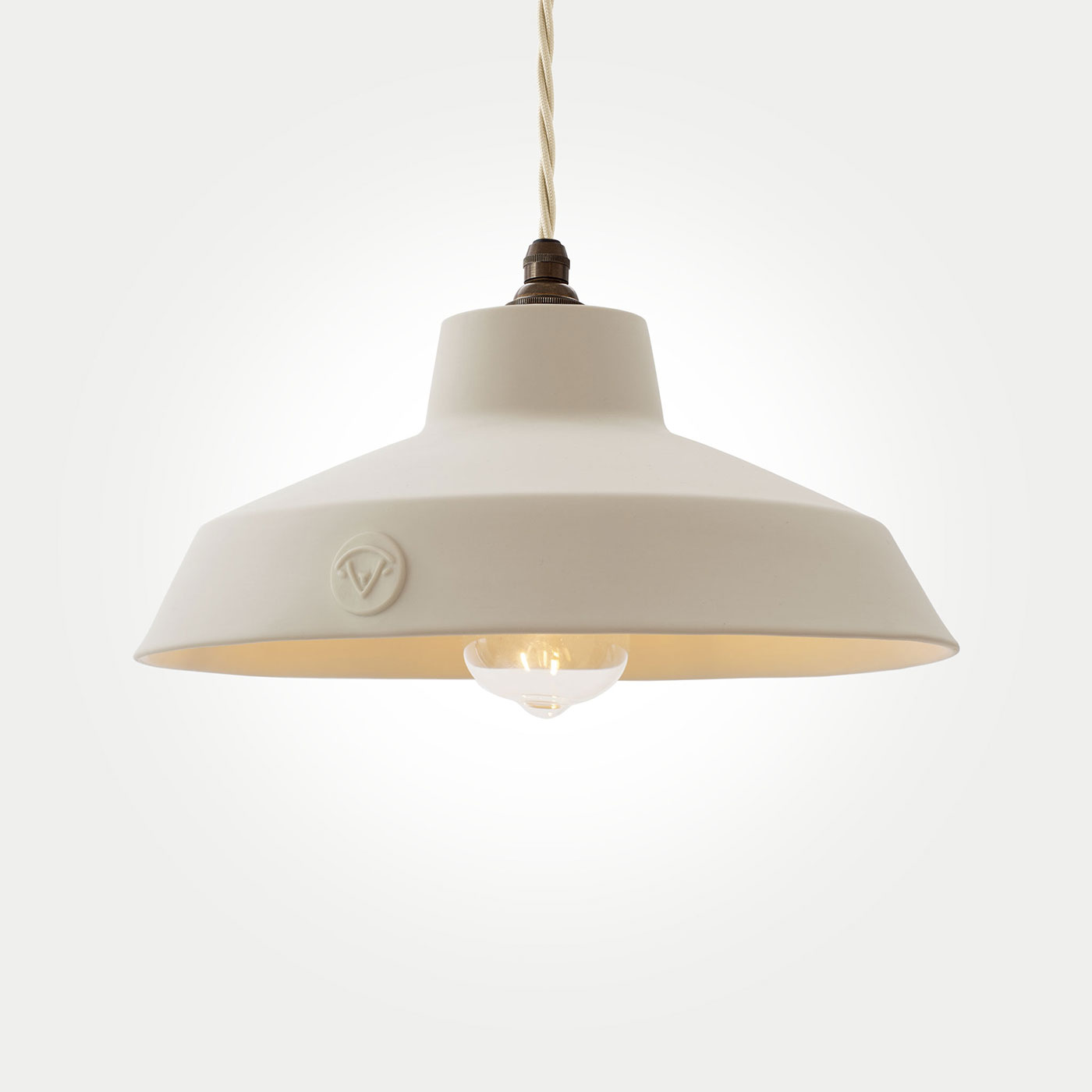
The Heathcliff
£179
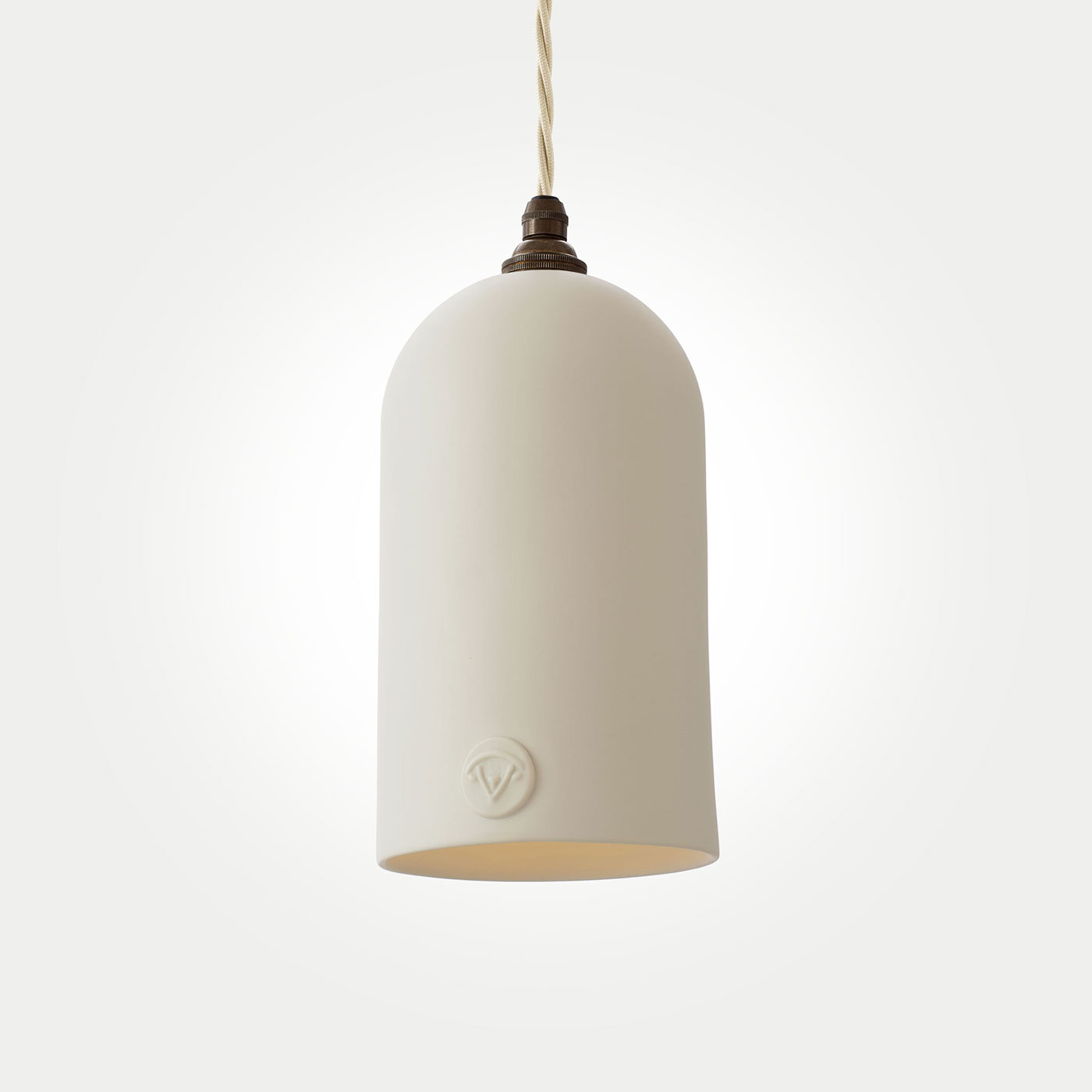
The BrontÉ
£128

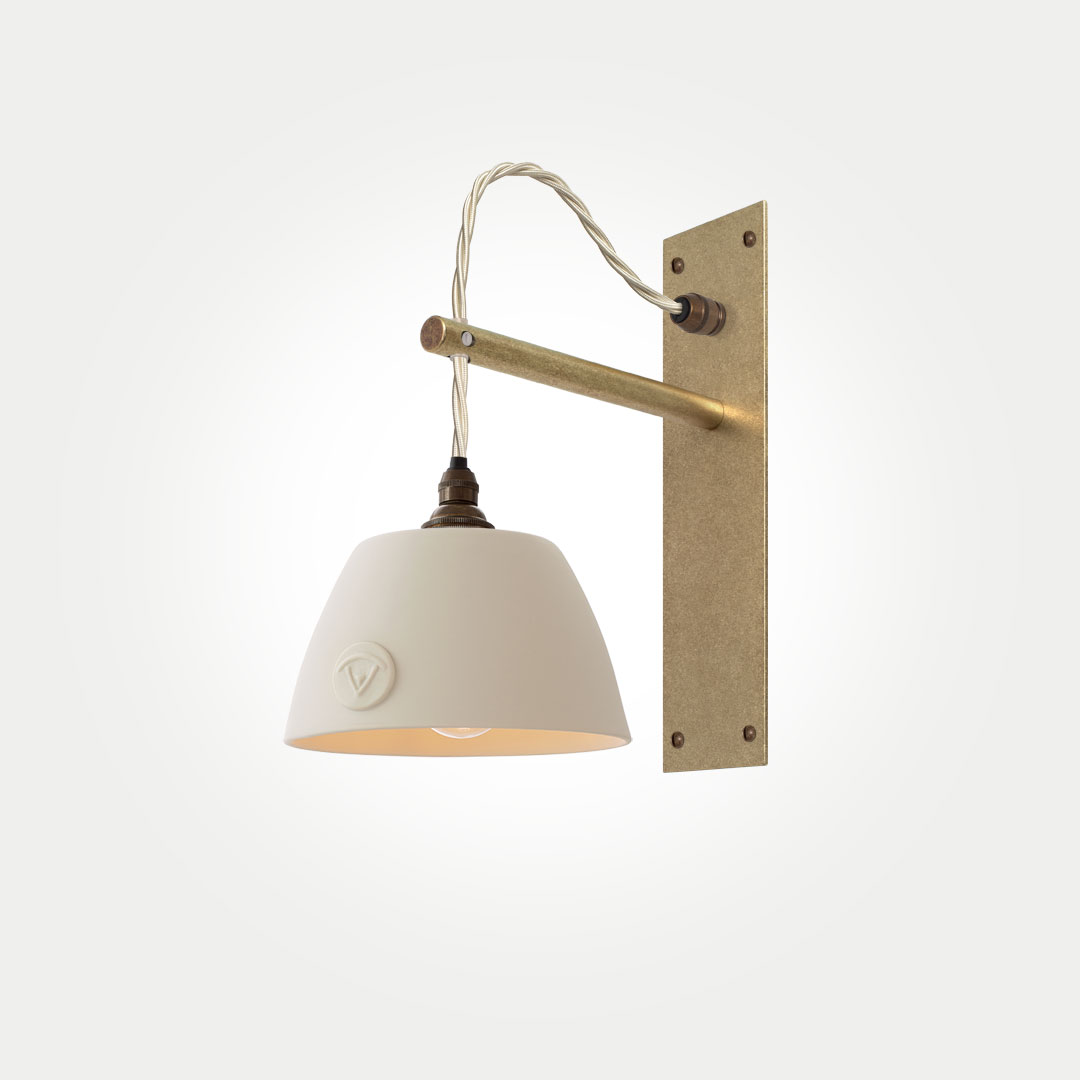
Boxted Cottage
£129
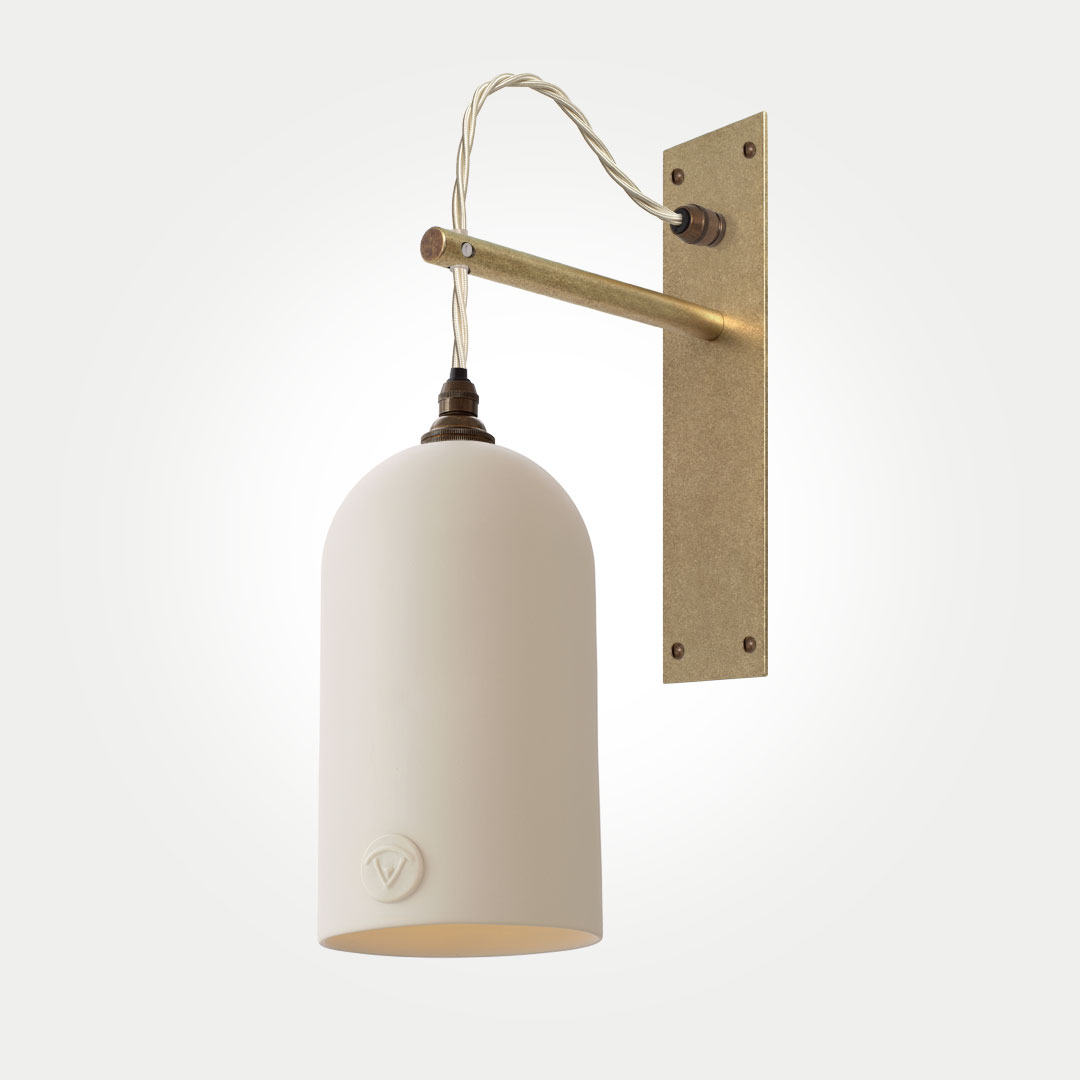
Boxted Bronté
£163
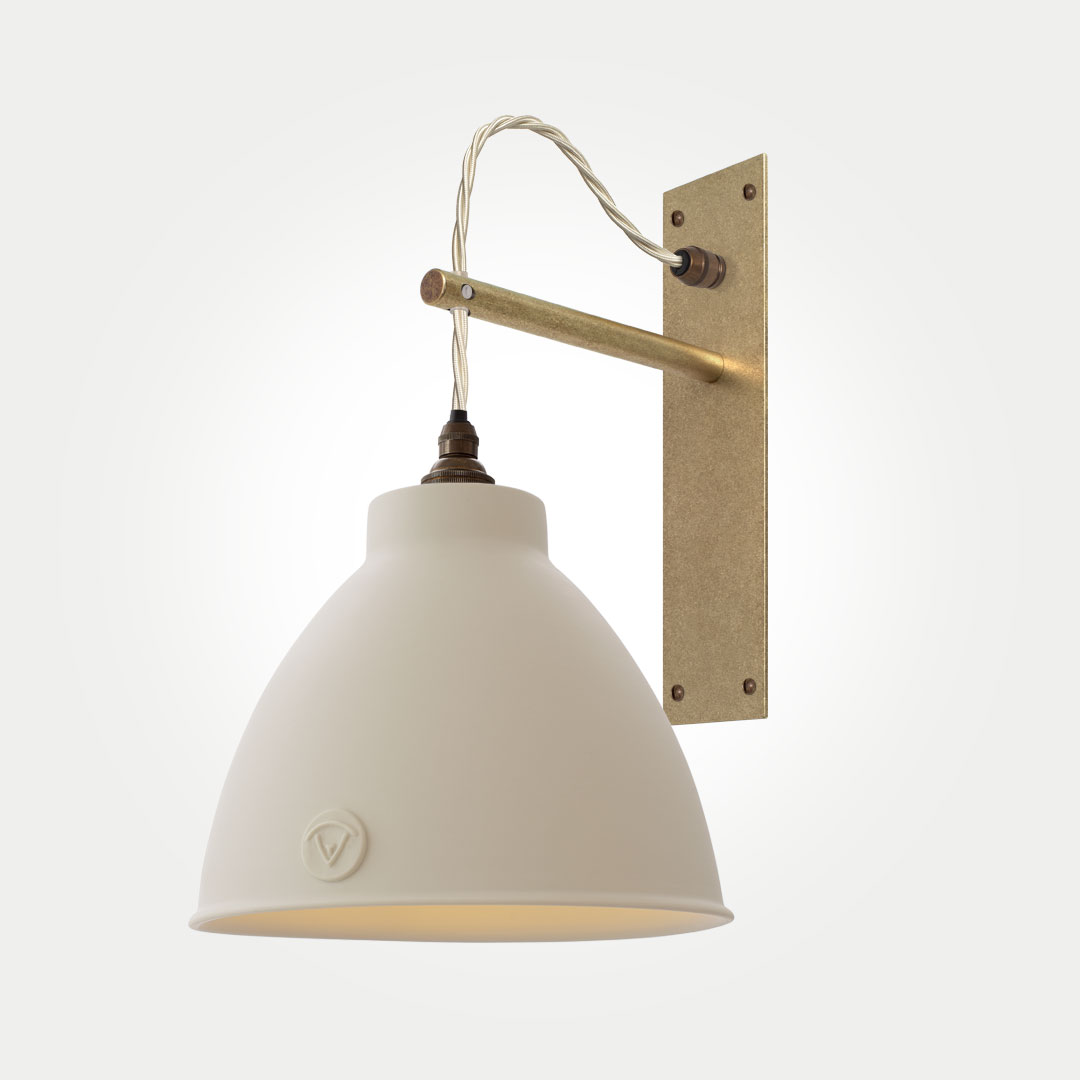
Boxted Ophelia
£184
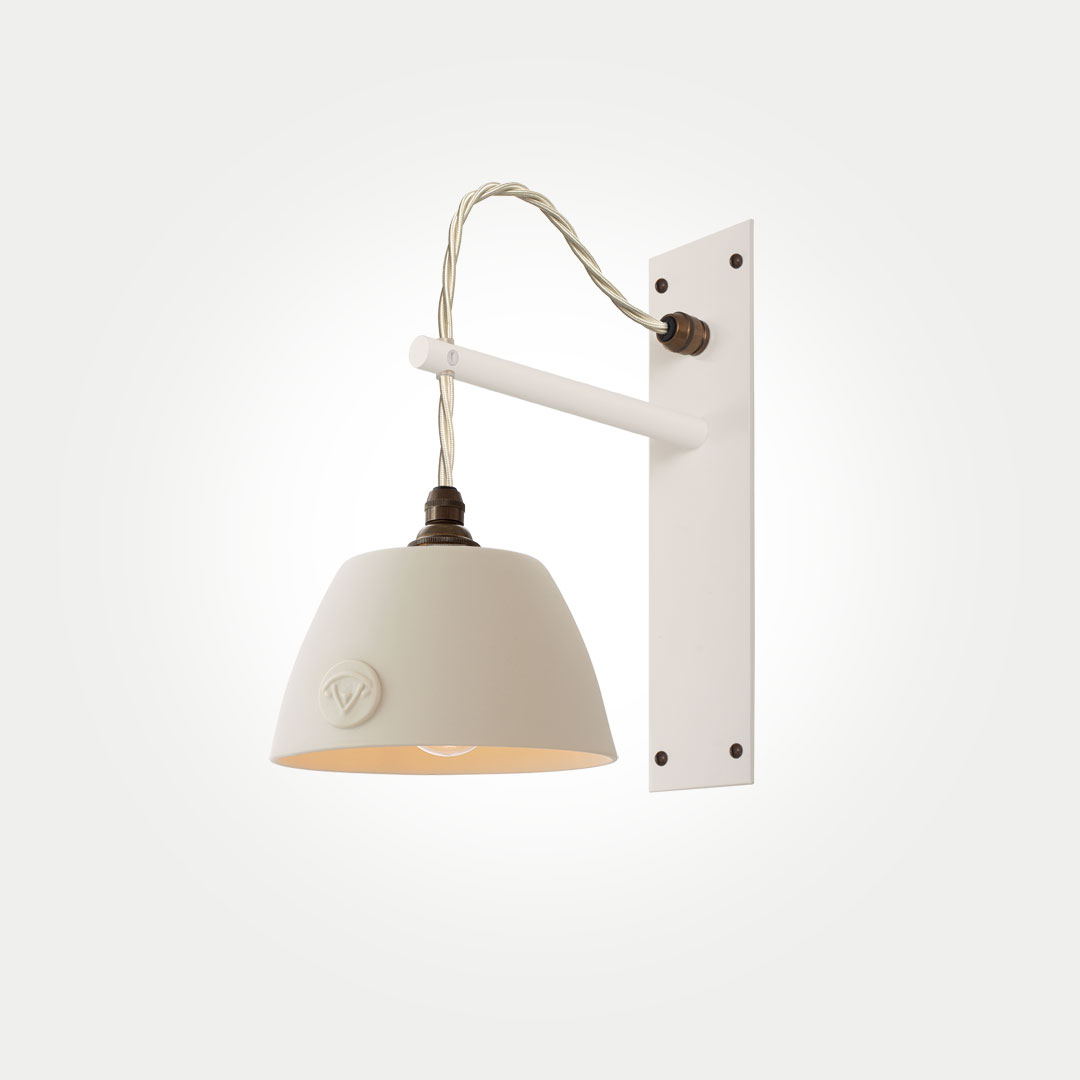
Flatford Cottage
£109
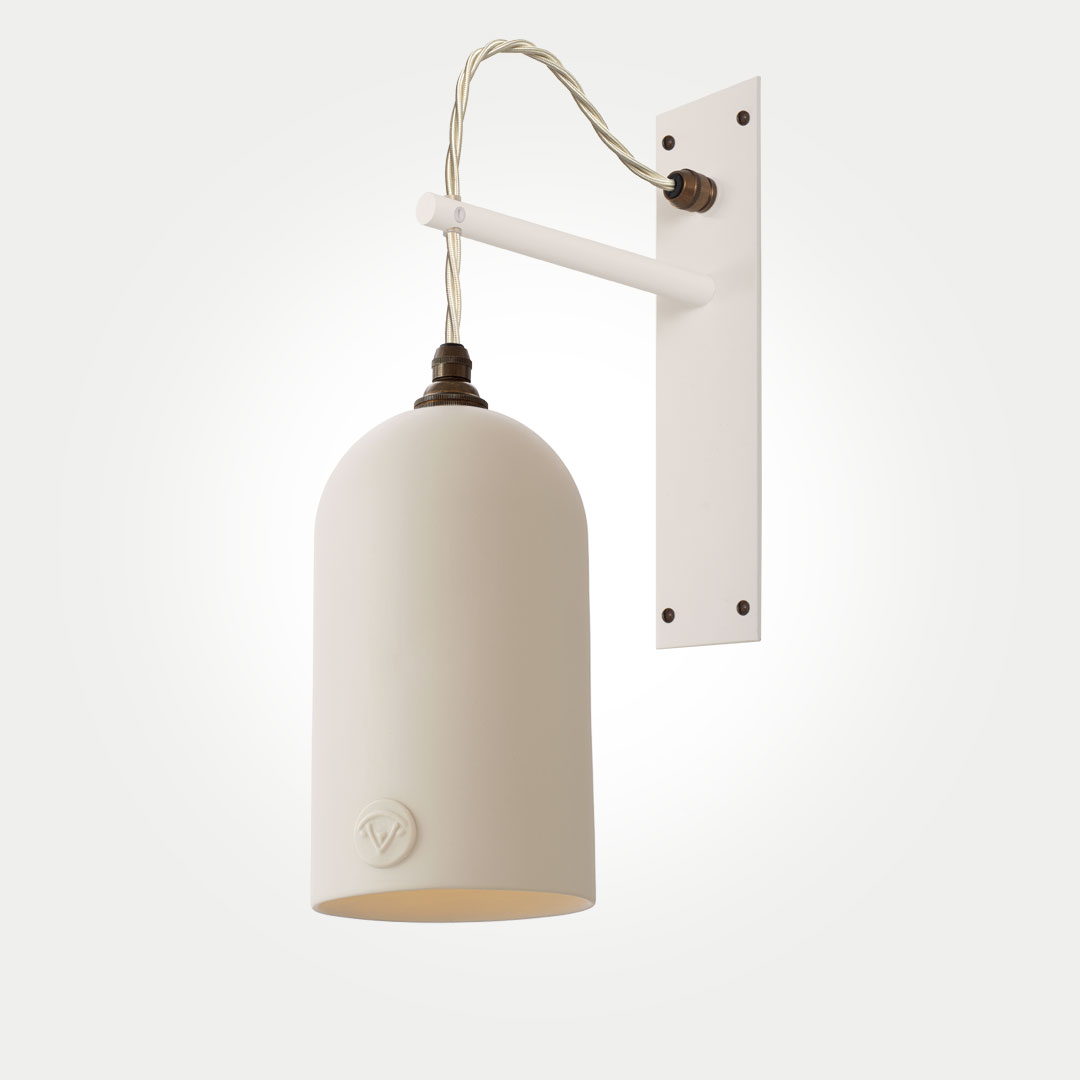
Flatford Bronté
£143
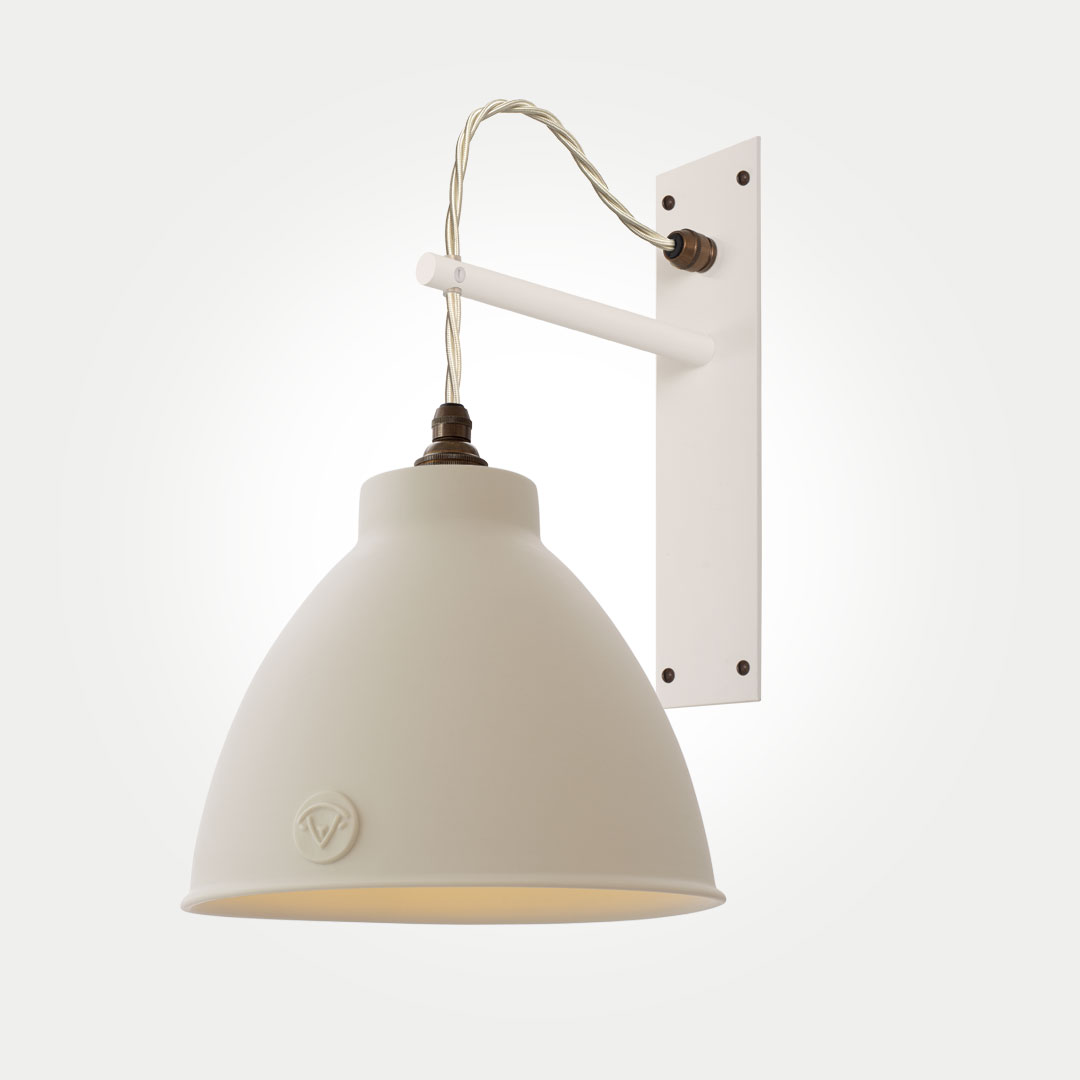
Flatford Ophelia
£164
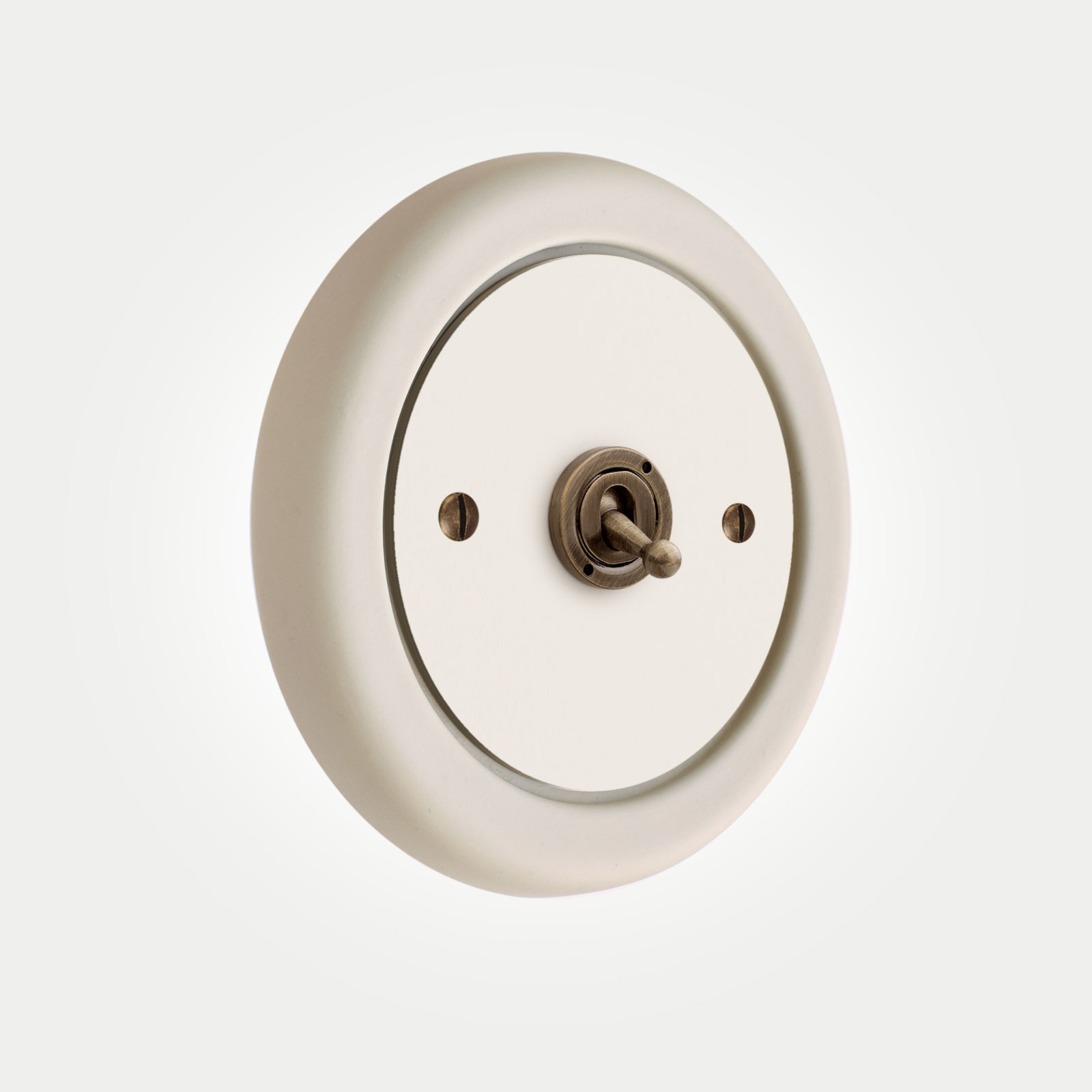
1 Gang White Switch With Brass Toggle
£68
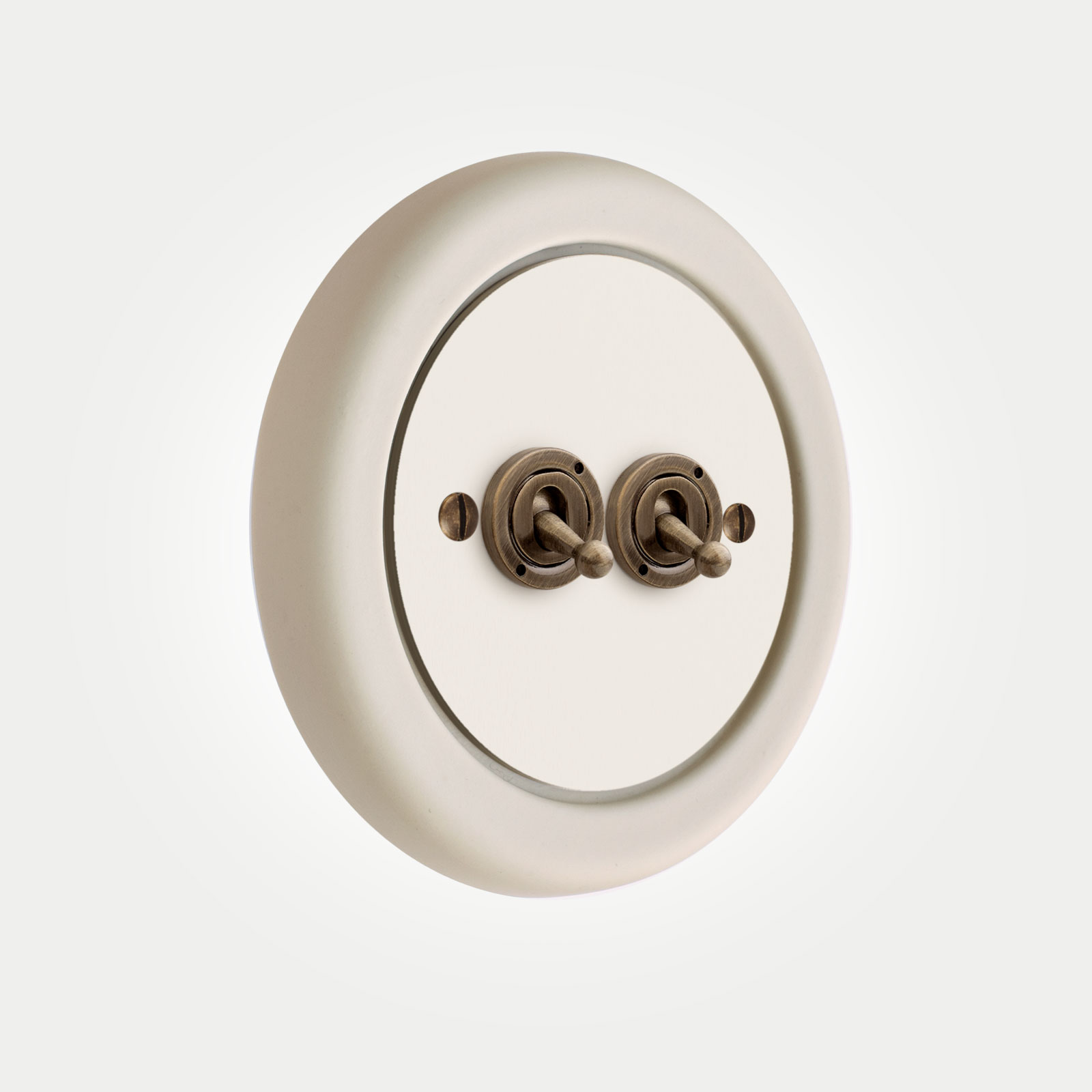
2 Gang White Switch With Brass Toggle
£88
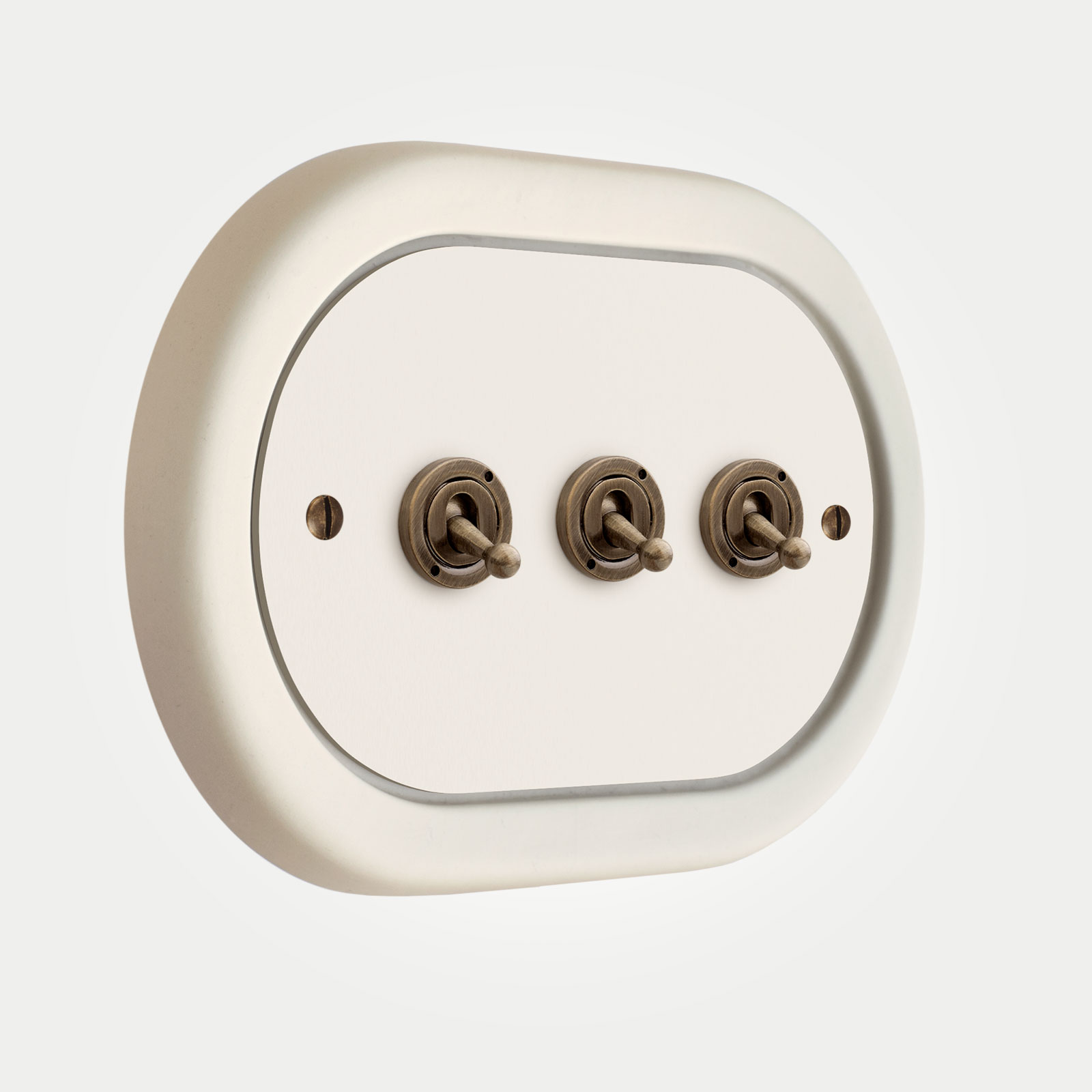
3 Gang White Switch With Brass Toggle
£118
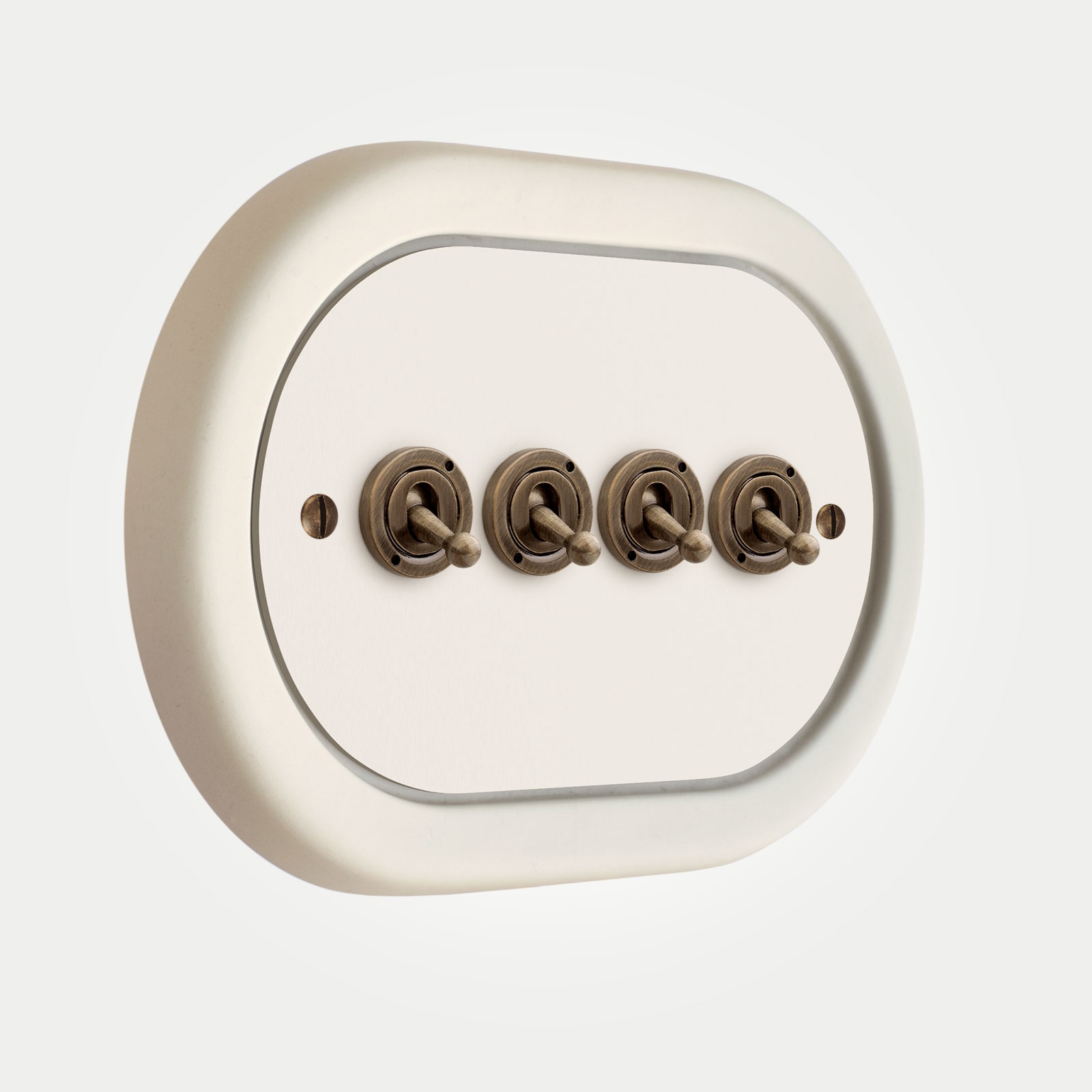
4 Gang White Switch With Brass Toggle
£138
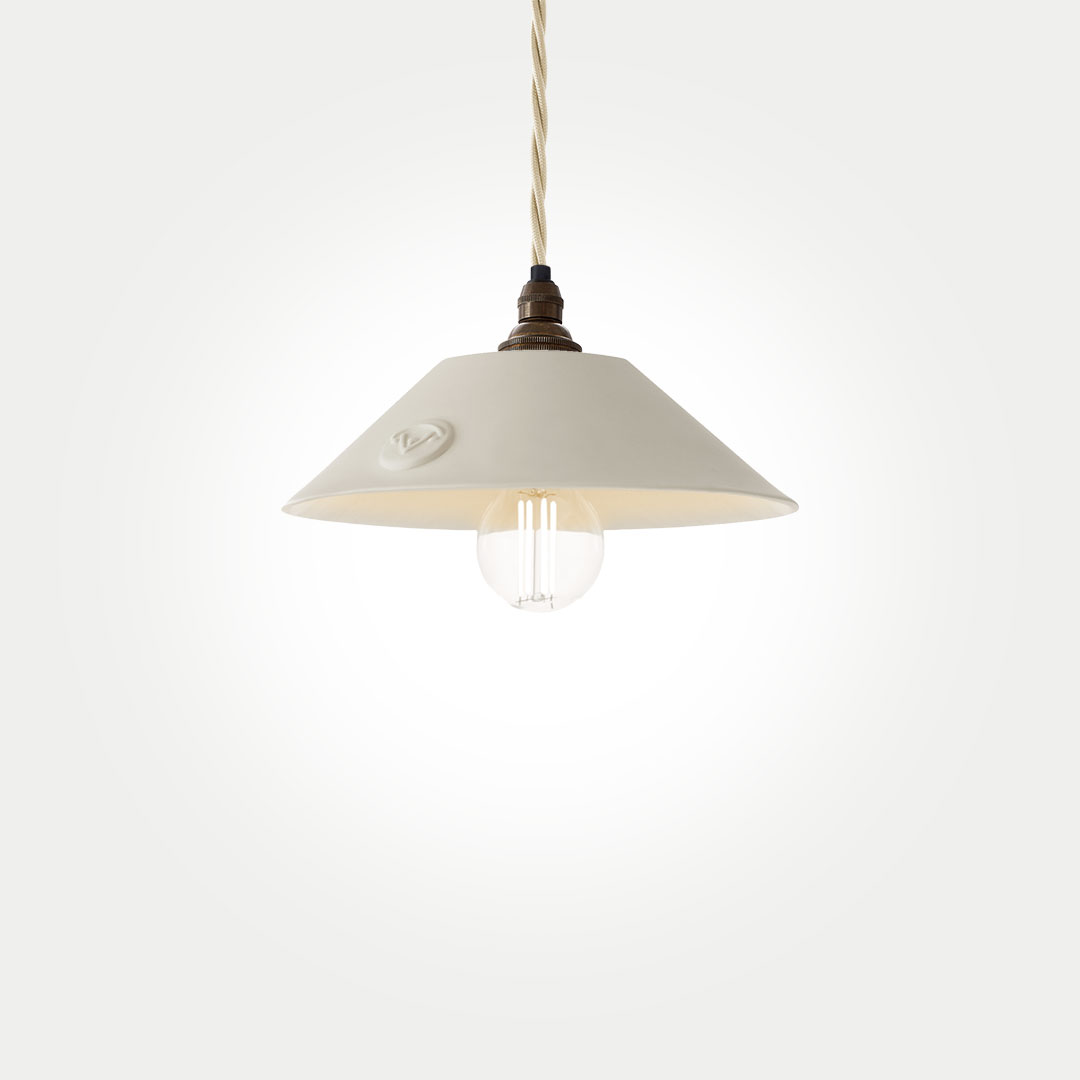
Small Keats Pendant
£94
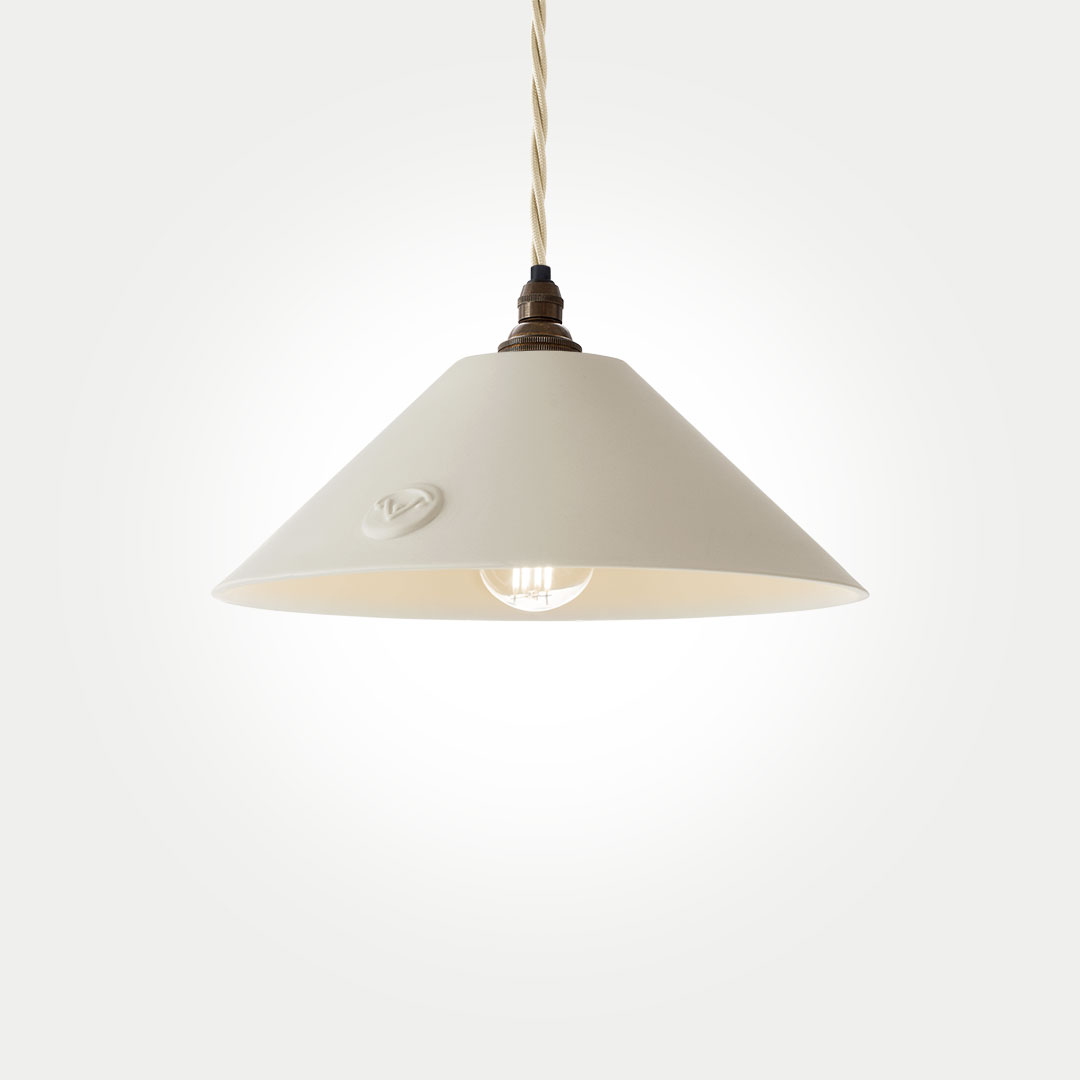
Keats Pendant
£128
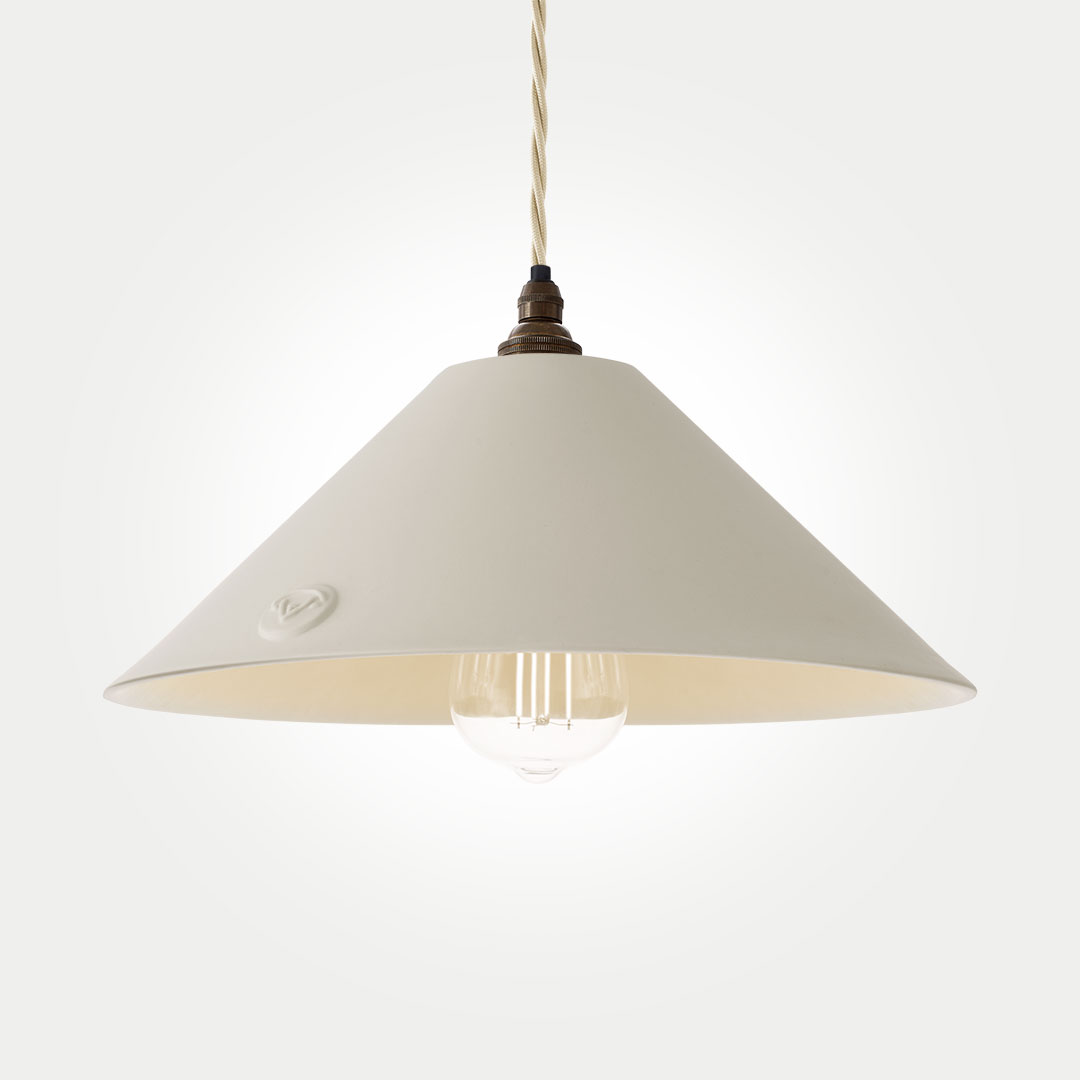
Large Keats Pendant
£179